
Lumolo
What Travelers Need to Know About Navigating the Extended Closure of Karuma and Ayago Bridges
If you rely on the Karuma and Ayago Bridges along the Karuma–Olwiyo Road in Uganda, you will need to adjust your travel plans.


If you rely on the Karuma and Ayago Bridges along the Karuma–Olwiyo Road in Uganda, you will need to adjust your travel plans. On March 15, 2025, the Ministry of Works & Transport of the Republic of Uganda issued a public notice announcing an extension of the bridges’ closure. This closure, designed to disrupt traffic temporarily, has been prolonged to ensure that critical repairs are completed on an alternative route. Here’s everything you need to know about the closure, why it’s happening, and how to navigate around it.
The Karuma and Ayago Bridges, vital connectors for motorists traveling between Kampala, Gulu, West Nile, and Lira, will remain closed until Monday, April 14, 2025. This extension pushes the reopening date from an earlier timeline and is necessary for completing repairs on the Masindi Port Ferry, which serves as a crucial alternative for drivers avoiding the bridge closures. The bridges themselves are undergoing maintenance, specifically the installation of expansion joints, making them inaccessible until mid-April.
The updated timeline means the bridges will be off-limits until March 24, 2025, as the Ministry finalizes the ferry repairs. The full reopening is still set for April 14. While this extension may pose a challenge for frequent travelers, the Ministry has outlined clear alternatives to keep you moving.
With the bridges out of commission, the Ministry has provided two main detour options, depending on your destination:
- Kampala to Gulu/West Nile (and Vice Versa):
Motorists can take the scenic route via Luwero – Kafu – Masindi – Paraa (Murchison Falls National Park) – Pakwach or Gulu via Olwiyo. This detour not only avoids the closed bridges but also allows you to experience Uganda’s natural beauty through Murchison Falls National Park. However, be prepared for a longer journey, as this route adds both distance and time compared to the direct Karuma crossing. - Kampala to Lira (and Vice Versa):
For those traveling to or from Lira, the recommended detour is Iganga – Nakalama – Tirinyi – Pallisa – Kumi – Soroti – Lira. This eastern route completely circumvents the closure, looping through multiple towns before reaching your destination. While it’s a viable option, be sure to plan for additional travel time and fuel.
Both routes are operational and designed to accommodate the increased traffic due to the closure. Travelers should note that although the Masindi Port Ferry is undergoing repairs to serve as an alternative, its completion is the reason for the extended closure of the bridges—so don’t rely on it just yet.
The Permanent Secretary, Bageya Waiswa, signed off on the notice with an apology for any inconvenience caused. “The Ministry regrets any disruption to your travel plans,” the statement reads. It also expresses gratitude for the public’s patience and cooperation, acknowledging the real impact on daily commuters, tourists, and transporters who depend on this corridor.
For those who have used the Karuma and Ayago Bridges as a reliable connection, this closure serves as a reminder of the importance of infrastructure maintenance and the ripple effects it can create. Whether you’re a local heading to Gulu or a visitor exploring West Nile, preparation is key. Check your route in advance, allocate extra travel time, and consider the condition of detour roads, especially if you are carrying heavy loads or traveling during unpredictable weather.
As we approach April 14, 2025, the reopening date offers hope for resuming normal travel. Until then, these alternative routes serve as your bridge to keep your journey on track. Safe travels!

Agriculture
A restriction on smallholder maize would trade food security for a cash-crop bet Uganda has already lost once
A restriction on smallholder maize is not intensification. It is prohibition.Most Ugandan farms are already under four acres. A legal line at that size covers the people who grow the staple, not a fringe of inefficient plots.

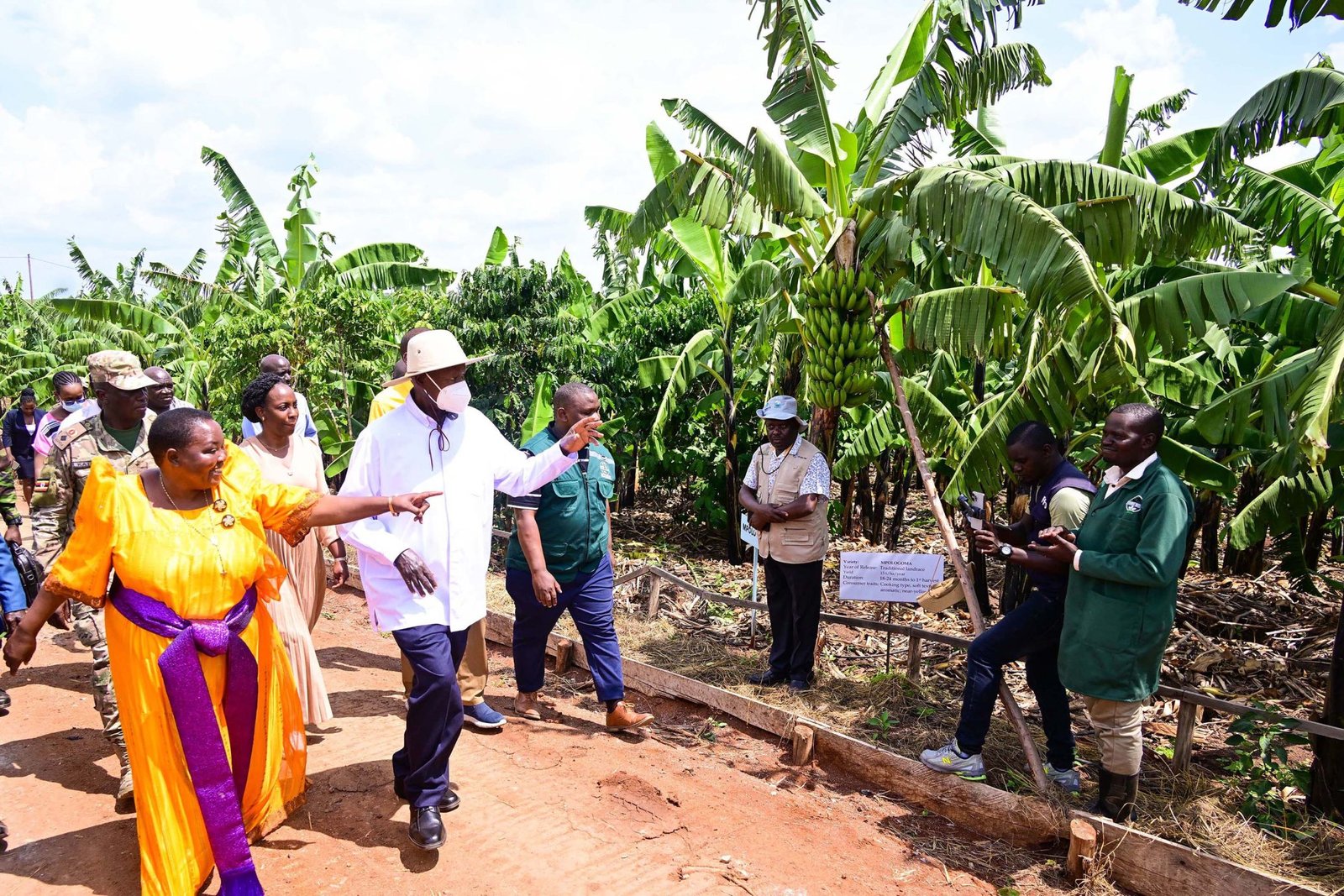
Prime Minister Robinah Nabbanja states that President Museveni has directed her to draft legislation that would prohibit farmers with less than four acres from growing maize, sugarcane, tobacco, and cotton. Instead, smallholders would be encouraged to focus on coffee, poultry, piggery, dairy, and fruit cultivation, which are considered high-value crops at the core of the Four-Acre Model. The aim of this policy is to maximize returns from limited land. However, there is a concern that such a restriction may reduce the cultivation of maize, which is a staple crop for many farming households, especially during times of drought, rising food prices, and increasing regional demand for grain. This is not merely a debate about agricultural intensification; it centers on the issue of prohibition.
Maize is already recognized as the main temporary crop in Uganda. According to the Uganda Bureau of Statistics (UBOS) 2019 Agricultural Survey; the last comprehensive survey detailing crop production to maize was the most cultivated temporary crop, grown by 69 percent of agricultural households. In that season, Uganda produced 2.8 million metric tonnes of maize, a decrease from 3.4 million tonnes in 2018. The regions leading in production included Buganda North with 710,000 tonnes, followed by Bunyoro at 561,000, and Buganda South at 266,000. Of the total harvested, 63.4 percent was sold raw while 27.4 percent was retained for household consumption. Over the past decade, households have increasingly shifted towards growing cassava, maize, and bananas while moving away from millet and beans. Maize is not a secondary crop; it is a core staple for many households and a primary source of income.
It is estimated that around 90 percent of Uganda’s maize is produced by smallholders, a figure often cited in agricultural research and value-chain reports, including those from Wageningen University and CIMMYT-related maize studies. However, this figure is not published by UBOS itself. While UBOS does report who grows maize, how much is produced, and its uses, it does not break down national production into smallholder versus estate contributions. Research literature that uses the 90 percent figure typically characterizes production as being led by households cultivating less than two hectares, growing maize primarily for food and income. Some reports mention millions of households growing maize, with varying cultivation rates depending on the survey and year. What remains consistent is the structure of production: commercial estates are in the minority, and small farms make up the majority.
A ban on maize cultivation for smallholders would not be a minor adjustment. The average Ugandan farm size is already around 1.2 to 1.5 hectares, with many households farming less than one hectare. Reports from Kilimo Trust and other value-chain work indicate that maize plots are commonly under two hectares. Therefore, a legal limit of four acres would encompass most of those who currently grow maize.
The Four-Acre Model allocates one acre for food crops, but enacting a law that prohibits maize cultivation on smaller plots contradicts this framework. While coffee, fruit, and livestock can provide cash income, they do not replace staple foods like posho (maize flour), which is essential for household meals, including school lunches and the feed necessary for poultry and pigs. Both UBOS’s figure of 27.4 percent of maize used for household consumption and research estimates suggesting even higher figures highlight that a significant portion of the harvested maize remains within the household food system.
Maize yields in Uganda are low, presenting an argument for increased investment rather than a ban on cultivation. National average maize yields hover around 2.2 tonnes per hectare; approximately 900 kilograms per acre while well-managed conditions can yield between 6 and 8 tonnes, and sometimes higher in controlled research settings. Subsistence plots typically yield between 700 and 1,000 kilograms per acre, whereas high-input plots can reach 1,800 to 2,200 kilograms. The drop in national production from 3.4 million tonnes to 2.8 million tonnes between 2018 and 2019 already highlighted how sensitive output is to weather and input availability.
The yield gap is well-documented, caused by factors such as the use of recycled and informal seeds, low fertilizer application compared to other African countries, reliance on rain-fed production, pests, and climate-related shocks. Flooding can lead to yield losses of nearly 18 percent, while drought can cause a decline of about 10 percent. Projections indicate further national declines of approximately 10 to 12 percent by 2030 if current seed varieties remain unchanged. In northern districts like Lamwo and Pader, extended dry spells in 2024 disrupted flowering and led to poor harvests, prompting local agricultural officials to advise farmers to diversify their crops, as cereals suffered significant losses. This situation calls for the adoption of drought-resistant seeds, improved water management, and assessment of flood risks, rather than a ban on maize cultivation for the farms that still produce the majority of it.
These facts do not indicate that growing maize is unfeasible on plots smaller than four acres; rather, they reveal that public policy has consistently under-invested in this staple crop. Combining improved seeds with better fertilizer application has been linked to substantial yield gains on existing small plots. Advanced hybrid varieties could potentially double yields under current climatic conditions according to modeling studies. Relying solely on a smaller number of large-scale farms to increase maize production assumes that such units will emerge, remain involved in maize production, and sell at competitive prices in domestic markets. This is more of a hope than a concrete plan.
The story of Uganda’s vanilla market serves as a warning, not a peripheral issue. The country has experienced the consequences of shifting smallholders towards high-value export crops, as was seen in Madagascar in the late 1990s.
Business
What Uganda’s Maize Story Tells Us About Future Opportunities
Maize is at the heart of Uganda’s farms, feeding families and generating livelihoods. With 69% of agricultural households growing it and 2.8 million metric tonnes produced, the numbers reveal a crop with enormous importance and opportunity.
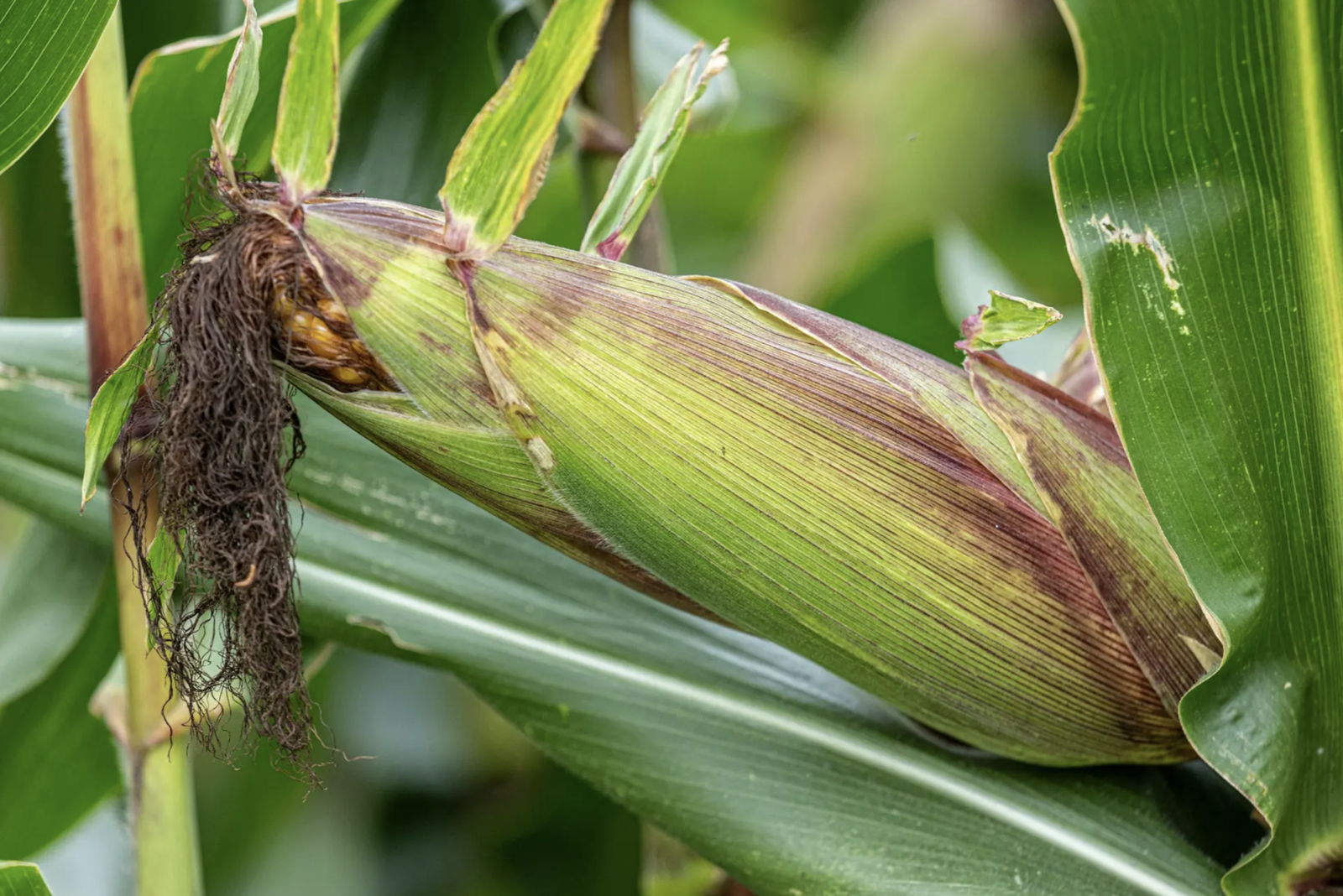
If you ask any Ugandan farmer what they cultivate, there’s a high likelihood they’ll say maize. According to the Uganda Bureau of Statistics (UBOS), maize is the most widely grown crop in the country, cultivated by 69% of all agricultural households. It is more than just a crop; it represents a national habit, a source of livelihood, and a daily meal for millions of families.
In a recent agricultural season reported by UBOS, Ugandan farmers produced 2.8 million metric tonnes of maize. This output is not trivial; it reflects the hard work of hundreds of thousands of smallholder farmers across the country, from the central region to the west, who plant, tend to, and harvest this grain season after season.
The regions that excel in maize production tell an important story. Buganda North leads the country with 710,000 metric tonnes produced in that season, followed by Bunyoro with 561,000 metric tonnes and Buganda South with 266,000 metric tonnes. Together, these regions contribute well over a million tonnes of maize annually, highlighting the concentration of agricultural effort that has made maize the backbone of Uganda’s crop economy.
What happens to Uganda’s maize after it’s harvested is as significant as the quantity produced. UBOS data indicates that over 63% of the maize is sold in its raw, unprocessed form directly from farms to markets. Meanwhile, approximately 27.4% is retained by the households that grow it, providing food for their own families.
This distribution underscores maize’s dual role in Uganda: it serves both as a source of income and a safety net for food security. For many rural households, the same sack of maize sold at the local market this week might have fed the family just last month.
Maize’s rise has not occurred in a vacuum. Over the past decade, UBOS survey data shows a clear trend in Ugandan agriculture: households are shifting away from crops such as millet and beans and increasingly favoring maize, cassava, and bananas. Whether influenced by changing preferences, improved market access for maize, or consistent performance in various seasons, this trend toward maize has been steady.
We are closely studying this national picture. While we have not yet broken ground, we are in the early stages of deliberately planning the foundation for a farm that will be launched in the coming years. The data underscores why maize is central to our plan: it is the crop that Ugandan households already trust, grow, and rely on for both income and food security.
Starting a farm from scratch requires us to understand the market as it currently exists, not as we envision it. This means listening to what the data reveals about how Ugandan farmers grow, sell, and consume maize, which will inform the type of farm we aspire to create.
The seven out of ten farming households that already grow maize in Uganda are more than just a statistic; they are the community we are preparing to join.
Source: Uganda Bureau of Statistics (UBOS), 2019 Agricultural Survey; the most recent UBOS release with this level of crop-specific detail.
Lumolo
Unity for Progress: President Museveni and Acholi Leaders Pledge Collaboration for Regional Development
President Yoweri Kaguta Museveni today met with opposition leaders from Acholi, with both sides agreeing to put aside political differences and work together to tackle poverty and drive socio-economic transformation in the sub-region. The meeting marked a turning point, as Members of Parliament representing different political affiliations expressed their commitment to collaborating with the government for the betterment of Acholi.

In a historic meeting at State House, Entebbe, President Yoweri Kaguta Museveni and opposition leaders from the Acholi sub-region set aside their political differences to forge a united front aimed at tackling poverty and driving socio-economic transformation in the region. This gathering marked a significant step toward reconciliation and development, with leaders from various political affiliations committing to work together for the betterment of Acholi.
President Museveni opened the meeting by reflecting on Uganda’s tumultuous history, emphasizing the importance of unity and a shared vision for sustainable development. He traced the roots of the country’s political instability back to 1961, criticizing the Uganda People’s Congress (UPC) for prioritizing tribal politics over national unity.
“The difference between Uganda and Tanzania is that Tanzania began its politics with unity, while Uganda’s politics started with division. In 1961, UPC misled Mengo by promising them federalism instead of advocating for a united Uganda,” President Museveni stated.
He highlighted how the collapse of the alliance between UPC and Kabaka Yekka in 1966 deepened divisions, weakened the army, and allowed instability to flourish. The President also dismissed claims that his past ties with Acholi fighters should have automatically led to the region’s development, attributing setbacks to sectarianism.
“In 1976, I trained young men, including some from Acholi, in Mozambique. But when we captured Kampala in 1979, some UPC supporters told them, ‘Why are you working with this Munyankore?’ and they abandoned us. That’s how detrimental policies and sectarianism worked against national unity,” he explained.
President Museveni stressed the importance of unity over revenge, recalling how the fall of Idi Amin’s regime in 1979 led to the unfair targeting of people from West Nile, forcing over half a million into exile. “The focus should therefore have been on reconciliation, not revenge,” he said.
Turning to development, President Museveni reiterated his government’s commitment to addressing poverty through the Parish Development Model (PDM) but acknowledged the challenge of funding larger parishes. “A parish with 20,000 households cannot be transformed with just Shs 100 million. We must rethink how we support these parishes according to their varying sizes,” he noted.
He emphasized the importance of affordable and accessible education, advocating for the establishment of seed secondary schools in every sub-county. “The only way to provide mass education is through day schools. If we focus on building a seed secondary school in each sub-county, we can reach more children,” he stated. Additionally, he highlighted the need for preventive healthcare measures, including immunization, proper nutrition, and access to clean water, to reduce the burden of curative health.
Reflecting on the sacrifices made to build a strong national defense, President Museveni noted that soldiers were paid very little or nothing during the struggle to secure the country. He urged Acholi leaders to guide the youth toward unity and hard work, emphasizing the importance of maintaining a positive mindset.

The opposition leaders, led by Hon. Okin Ojara, the Member of Parliament for Chua West County and a member of the Forum for Democratic Change (FDC), submitted a memorandum that expresses their commitment to setting aside political differences for the betterment of Acholi.
“We may belong to different political parties, but our focus is on fighting poverty and driving socio-economic transformation in Acholi,” the leaders stated.
Hon. Ojara revealed that ten opposition MPs from Acholi have formed a platform called ‘Operation Harmony’ to prioritize the region’s development. “We are ten leaders from various political backgrounds, but we have come together to think, brainstorm, and prioritize the pride and prosperity of our people,” Hon. Ojara said.
“We asked ourselves difficult questions: Why are we in opposition? Should we remain in opposition while our people continue to suffer? How long should we stay in opposition when Acholi is one of the poorest regions in the country? Are we leading our people to poverty or prosperity?” he wondered. He explained that these reflections led them to the realization that they needed to engage directly with the government.
“We decided to compile our ideas into this memorandum and present it to you, Your Excellency, because we want to collaborate with you on the socio-economic transformation of Acholi,” Hon. Ojara stated.
Regarding Transitional Justice and Mental Health, the leaders emphasized the need for a robust Transitional Justice Framework to address the psychological scars left by past conflicts. “The conflict disturbed the mental well-being of our people. A recent survey revealed high levels of mental health issues and post-traumatic stress disorders in Acholi. Some children are even suffering from nodding disease,” Hon. Ojara noted.
They proposed establishing a Mental Rehabilitation Center in the region, suggesting that the dilapidated facility at Gulu Regional Hospital should be urgently renovated. The MPs also called for transparency in the ongoing war compensation process. “We need clarity on who has been compensated, how much has been spent, and how long this process will take. If necessary, a new framework should be introduced to ensure fair and timely compensation,” he said.
Additionally, they raised concerns about Acholi refugees still residing in Zambia, the DRC, and Kenya, even as the region hosts refugees from South Sudan. “We propose creating a mechanism to engage these refugees, inform them about the peace and stability we now have, and encourage their return home,” Hon. Ojara added.
The memorandum emphasized the need to upgrade Kitgum General Hospital to a Regional Referral Hospital and to establish new hospitals in the Omoro and Amuru districts. Additionally, it called for the rehabilitation of key roads to enhance access to services and markets.
The MPs stressed the importance of implementing “Musevenomics,” the President’s strategy aimed at boosting productivity by focusing on the factors of production, knowledge, and markets. Hon. Ojara elaborated, “We discussed how to apply ‘Musevenomics’ in Acholi, integrating it with the Four Acre Model to promote commercial farming. Our focus will be on perennial crops such as coffee, cocoa, and fruits.”
The leaders praised the work being done at the Gulu Presidential Skilling Hub but requested the establishment of more such centers across the region. “Those who have trained at the Gulu Skilling Hub are now role models for others. We need more centers to empower our youth,” he encouraged.
Hon. Ojara noted that Acholi contains over 600 parishes covering 28,000 square kilometers. However, each parish currently receives a uniform allocation of Shs 100 million under the Parish Development Model (PDM), regardless of size. “Given the vastness of our parishes, we are requesting a special arrangement to increase funding for Acholi’s larger parishes, so that PDM can have a more significant impact,” he urged.
Hon. Hillary Onek, the Minister for Relief, Disaster Preparedness, and Refugees, echoed the call for unity among Acholi leaders, stressing the importance of collaborating with the government to address underdevelopment in the region. He commended the leaders for setting aside political differences for the common good.
“We come as true leaders, united by a shared ideological vision and a commitment to the welfare of our people. One thing we all agree on is the President’s goodwill towards Acholi and his love for Uganda. This has given us the platform to come together, share ideas, and find a way forward,” he said.
Hon. Onek acknowledged the region’s long-standing challenges, including poverty, poor infrastructure, and the scars of past conflicts, but emphasized that division has only deepened these issues. “We recognize that some of the setbacks in Acholi have stemmed from political differences. That’s why we have resolved to work together, regardless of party affiliation, to support the government’s development agenda,” he stated.
The Minister stressed that Acholi must chart a new path focused on unity and progress. “We want Acholi to be different, to move beyond past divisions and focus on tangible solutions for our people. Our goal is to support every effort aimed at transforming the region,” he added.
Hon. Betty Aol Ocan, Woman Member of Parliament for Gulu City and a member of FDC, also called for collective action to combat poverty in Acholi sub-region. Hon. Aol acknowledged the deep-rooted poverty in the region despite the presence of various government programs. She emphasized that political differences should not stand in the way of addressing the pressing issues affecting their people.
“As long as we all put the interests of the Acholi people first, why shouldn’t we work together? We must unite to find lasting solutions for poverty alleviation,” Hon. Aol added.
The meeting, attended by key government officials including Dr. Kenneth Omona, Gen. David Muhoozi, Rt. Hon. Richard Todwong, and Rt. Hon. Rose Namayanja, among others, concluded with a renewed sense of hope and determination. The commitment to unity and collaboration between the government and opposition leaders signals a promising future for Acholi, as both sides work together to address the region’s challenges and drive sustainable development.
This historic agreement underscores the power of unity in overcoming division and paves the way for a brighter, more prosperous future for the people of Acholi and Uganda as a whole.


Before You Write Off Uganda, Ask What You Have Contributed

Standard Chartered Uganda Retail Banking Migration to Absa Set for November 2026

A restriction on smallholder maize would trade food security for a cash-crop bet Uganda has already lost once


-

 Entertainment2 years ago
Museveni’s 2025 Copyright for Musicians breakdown
-

 Sports2 years ago
The Transformative Impact of World Cup Qualification for Uganda
-

 Business2 years ago
The 9 worst mistakes you can ever make at work
-

 Policies2 years ago
Breakdown of the Uganda Police Force Annual Crime Report 2024
-
 Business2 years ago
Uganda’s Ministry of Finance projects significant growth opportunities in 2025
-

 Policies2 years ago
Is Uganda’s Shs10m Fine the WORST Thing for Cohabiting Couples?
-

 Entertainment2 years ago
Uganda Cracksdown On Vulgar Music Content | Gloria Bugie, Shakira Shakira, targeted
-

 Health2 years ago
Breaking down the Malaria Vaccine Rollout in Uganda