
Entertainment
Why Ugandan Musicians Should Avoid Political Factions in 2025
For an industry built on connection and expression, such divisions create unnecessary discord.


Music and politics have long been intertwined, from the protest anthems of the American civil rights movement to the anti-apartheid rhythms of South Africa’s Hugh Masekela. Songs have served as powerful advocacy tools, amplifying the marginalized’s voices and reflecting societal struggles. In Uganda, this connection runs deep whether through independence-era unity songs or the politically charged praise tunes of Idi Amin’s regime in the 1970s. As the country nears the 2026 presidential election, the intersection of music and politics has intensified, drawing artists into a highly polarized landscape. Given the risks involved, Ugandan musicians would be wise to distance themselves from political factions in 2025.
The current music scene is fraught with tension. President Yoweri Museveni’s National Resistance Movement (NRM) and Bobi Wine’s National Unity Platform (NUP) dominate the political discourse, often enlisting musicians as supporters or critics. Prominent figures like Bebe Cool and Eddy Kenzo have sided with Museveni, while others, such as King Saha, have faced backlash for their perceived opposition sympathies. King Saha’s recent assault in Ibanda after a politically charged performance is a stark reminder of these dangers. Even artist rivalries, such as Pallaso versus Alien Skin, carry political undertones, turning music into an ideological battleground. For an industry built on connection and expression, such divisions create unnecessary discord.
Why should Ugandan musicians remain neutral in 2025? First, it threatens the core essence of their craft. Music has traditionally served as a unifying force, bridging tribal and social divides with melodies and lyrics that resonate across communities. Taking political sides risks alienating a segment of their audience. Fans may turn against artists whose affiliations oppose their own. The existing NRM-opposition divide has already fractured audiences, weakening the cohesive cultural role that music plays.
Another major concern is personal safety. Uganda’s political climate is volatile, with dissenters facing significant repercussions. Opposition-aligned musicians, like Bobi Wine, have endured government crackdowns due to the rise of a rebel-like movement, while ruling-party supporters, like Bebe Cool, have faced hostility from rival factions. In such an unpredictable environment, neutrality is not just a stance. It is a safeguard against potentially life-threatening consequences.
Financially, political alignment can be detrimental. Uganda’s music industry is not particularly lucrative, relying heavily on corporate sponsorships, endorsements, and fan support. Companies prefer to remain apolitical and often avoid controversial figures. Similarly, fans may boycott artists whose political leanings they oppose. In an economy where every performance and sponsorship deal matters, choosing a side could significantly reduce an artist’s income opportunities.
Moreover, political landscapes shift. While Museveni has held power since 1986, history has shown that no regime lasts forever. Artists who tie their careers to a specific political figure or party risk irrelevance if the political tide turns. Remaining neutral allows them to sustain their careers regardless of leadership changes.
Some may argue that musicians have a duty to engage politically, citing Bobi Wine’s transition from artist to political force as proof that music can drive change. While this is true, it comes at a significant cost ie. division, career instability, and potential threats to personal safety. Musicians can still use their platforms to highlight injustices and advocate for social change without being drawn into partisan conflicts.
Ugandan musicians face a critical decision, become pawns in a political struggle or uphold their role as the nation’s cultural heartbeat. By steering clear of political factions, they can preserve artistic freedom, foster unity, and safeguard their futures. In a time when politics increasingly dictates direction, the boldest move might be to continue singing their own song.






Entertainment
From Long-Distance Promises to No-Games Allowed: Okot Mark’s Powerful Double Release in January 2026
These releases build on a strong 2025 run where Okot Mark consistently delivered fresh music.
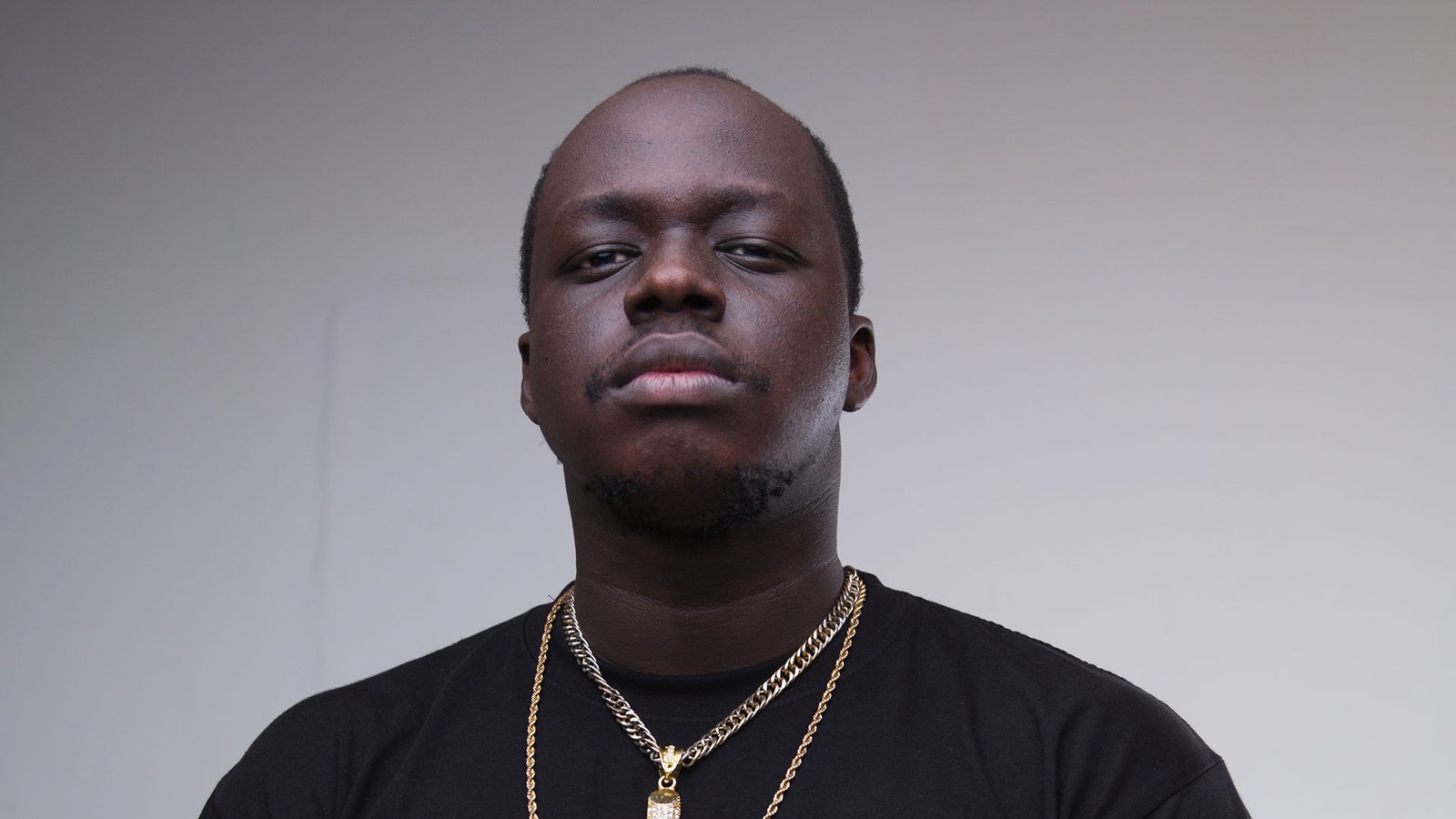
Okot Mark, the dynamic Ugandan artist widely recognized as Rey Macc, is starting 2026 on a high note with two powerful new Afrobeat singles that highlight his growth as a singer, songwriter, and self-taught producer. Released under his real name, “Remember” dropped on January 23, 2026, followed closely by “Games” on January 30, 2026. Both tracks are distributed by Trend Setters Digital, the label arm tied to his co-founded initiative Trend Setters Uganda. These releases build on a strong 2025 run where Okot Mark consistently delivered fresh music. Fans enjoyed romantic and confident cuts like “Select You” (a soulful highlight under Okot Mark & Rey Macc), “Better Than You”, “Aisha”, “An Amari”, “I Think You Want To Be Alone Tonight”, “Low Key”, “Come Over”, “Transition”, “Love On Me”, “What A Girl”, and others that blended Afrobeat rhythms with R&B influences, Afro-dancehall vibes, and party energy.
Now, with these January 2026 drops, Okot Mark shows even more range: one deeply emotional and patient, the other fiercely protective and direct. “Remember”: The Heartfelt Long-Distance Love Letter. “Remember” is a tender Afrobeat ballad that pours out the raw feelings of loving someone across distance. Written entirely by Okot Mark, it captures the everyday ache of separation, the sacrifices required for love, and the unwavering commitment to wait.From the opening:
Trendsetters
Mans like Rey
I will be honest
I can’t imagine
Waking up to an empty bed
Cause you ain’t with me
I don’t like it
But sacrifices
For the ones you love
The chorus turns into a vulnerable, repeated plea:
I want you to promise me
That you’ll remember me
Cause I will remember you
And I will wait for you
My love
He gets even more personal, sharing dreams put on hold:
My baby baby
I’ll be honest
I thought this was the perfect time to start a family
I love children
And I want them with you
Even though I hate the timing
I will wait for you
The smooth, melodic production lets the emotions shine through warm Afrobeat grooves. If you’ve vibed with his softer, love-focused tracks like “Love On Me”, “Aisha”, or “Low Key” from last year, “Remember” feels like a natural, deeper extension; perfect for dedicated playlists or quiet moments missing someone special. Stream or download “Remember” today: https://ffm.to/okotmarkremember
“Games”: No More Playing Around – Boundaries Set. Just seven days later, “Games” brings the energy shift. This assertive Afrobeat track is all about self-respect, spotting manipulation early, and refusing to let anyone get the upper hand. The infectious hook and chants lock you in right away:
Do
Do do do do do
Do do do
I know what you’re doing
Don’t play those games on me
Don’t play those games on me
Yeah yeah yeah yeah
He issues clear warnings:
Be careful
Be careful with me
Am not that guy
But I can turn the switch on
The verses cut straight:
Who are you to tell me what’s good for me
Looking at you, you’re just a nobody
Putting your feet where it doesn’t belong
And that standout vocal moment from the Ugandan Ex-MP Hon. Segona drives home confidence and qualification:
Look around
look at other people
Look at me
look at my CV
Why do you have to deceive yourself?
Scoring
Is there somebody
vying for this position
As qualified as myself
I have presented my CV
I have presented my ideas
And everybody would agree
With bouncy rhythms, catchy “Do do do” elements, and an unapologetic attitude, “Games” echoes the bolder side of his catalog—like “Better Than You” or confident flexes in other 2025 releases. It’s empowering music for anyone done tolerating nonsense. Stream or download “Games” today: https://ffm.to/okotmarkgames
Why These Releases Matter in Okot Mark’s Journey: Dropping two strong singles back-to-back shows Okot Mark’s versatility and work ethic. From heartfelt dedications to boundary-setting anthems, he’s telling real stories rooted in personal experience while keeping the Afrobeat production fresh and danceable. As a multi-genre creator (blending Afrobeat, R&B, Afro-dancehall, and more), founder of Trend Setters, and active voice in digital spaces, he’s carving out space in East Africa’s music landscape. 2026 is young, but these tracks already signal momentum. Whether you’re into the emotional pull of “Remember” or the no-games energy of “Games,” add them to your rotation, share with friends, and support independent Ugandan talent. Head to the links, stream on repeat, and keep an eye on Okot Mark, he’s got more rhythm and realness coming. What’s hitting hardest for you right now?
Business
What Ugandan Artists on Bandcamp Need to Know
The US has introduced new tariffs following the expiration of the de minimis exemption, which previously allowed duty-free imports for shipments under $800
As a Ugandan artist on Bandcamp, you may have received a recent email regarding new US tariffs impacting global shipping. Announced on August 28, 2025, these changes affect the shipment of physical merchandise from Uganda to the United States, an important market for independent artists. This guide explains what the tariffs mean for you, how they may impact your sales, and steps you can take to continue reaching US fans.
The US has introduced new tariffs following the expiration of the de minimis exemption, which previously allowed duty-free imports for shipments under $800. This shift means many physical goods shipped from Uganda to the US now face import duties. Additionally, the uncertainty around these tariffs has led many global mail carriers to suspend deliveries to the US, creating challenges even for tariff-exempt items. Here’s how this affects you:
- Tariffs Hit Physical Merch, Not Digital Sales
Apparel and other goods like shirts, hoodies, hats, and totes are now subject to tariffs, which could increase costs for your US buyers. Digital sales; your MP3s, FLAC files, or streaming revenue are unaffected, offering a safe haven for part of your income. - Exemption for Music and Media
Good news: “informational media” like vinyl records, CDs, cassettes, books, and sheet music are exempt from these tariffs. However, many international carriers are halting all shipments to the US, even for exempt items, due to the tariff confusion. - Shipping Disruptions
With global carriers suspending US deliveries, even exempt items such as vinyl or CDs may not reach American fans at this time. These disruptions could delay orders, impact customer satisfaction, and affect your sales if not addressed proactively.
The US is a vital market for Ugandan artists on Bandcamp, where fans frequently purchase physical releases and merchandise. These tariffs and shipping suspensions may disrupt this important connection.
- Higher Costs for Fans
US buyers may face unexpected import duties on non-exempt items like apparel, making your merch less affordable. If you choose to cover these costs (via Delivered Duty Paid shipping), your profit margins could shrink. - Limited Local Options
Uganda’s manufacturing scene for high-quality vinyl or custom apparel is limited, meaning many artists rely on international suppliers or direct exports. Tariffs and shipping issues complicate this, potentially raising costs or delaying production. - Fan Trust at Risk
Unexpected fees or undelivered orders may cause confusion or dissatisfaction among US fans. Clear communication is essential to maintain audience loyalty, particularly in genres where Ugandan artists have established strong followings.
Bandcamp and industry insights offer several ways for Ugandan artists to navigate these changes:
- Pause US Merch Sales (If Needed)
Bandcamp now lets you disable US shipping for physical goods from specific origins. Head to Edit Profile > Physical Goods > Shipping from in your account to temporarily pause sales. This can prevent headaches from undeliverable orders or unexpected fees while carriers sort out their US routes.
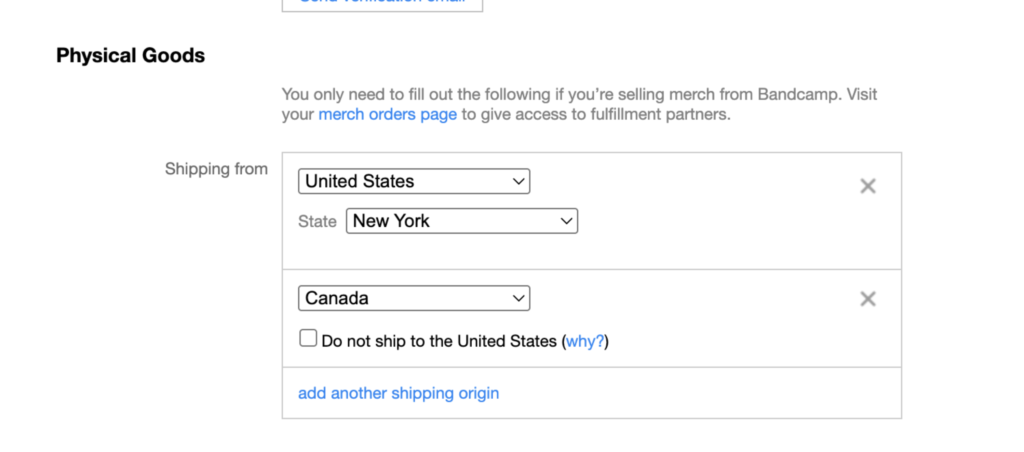
- Focus on Exempt Items
Prioritize selling tariff-exempt products like vinyl, CDs, or cassettes. Double-check with your postal carrier (e.g., Uganda Post or couriers like DHL) to see if they’re still shipping these to the US. Use accurate HS Codes on labels to ensure customs recognizes the exemption. - Talk to Your Fans
Use Bandcamp’s Community messaging feature to update US buyers about potential delays or tariff costs. Explain that these are government-imposed fees, not your doing, to keep fans supportive. A quick message can go a long way in preserving trust. - Consider Delivered Duty Paid (DDP) Shipping
For non-exempt items like apparel, DDP shipping lets you prepay tariffs and include them in the price, giving US fans cost certainty. This requires upfront calculations and may cut into profits, so weigh the pros and cons. - Lean into Digital Sales
Digital releases are tariff-free and immune to shipping woes. Promote your albums, singles, or virtual events to US fans to maintain revenue. For inspiration, look at how Ugandan artists like those on The Ugandan Rite use digital releases to reach global audiences. - Stay Updated
Check Bandcamp’s Help Center (https://get.bandcamp.help) for the latest on tariffs and shipping. Reach out to your postal carrier for updates on when US deliveries might resume. If you’re dealing with complex orders, consider consulting a trade expert for advice.
These tariffs and shipping disruptions could challenge Ugandan artists’ ability to reach US fans, a critical audience for Bandcamp sales. While digital sales offer a workaround, physical merch like vinyl or apparel is a big part of many artists’ income and cultural impact. In the long term, you might consider exploring regional markets in East Africa or pursuing digital collaborations to diversify your revenue, although these may not match the scale of the US market.
The new US tariffs are a hurdle, but Ugandan artists are no strangers to creativity and adaptability. By focusing on exempt items, pausing US shipping when needed, and keeping fans in the loop, you can minimize disruptions. Lean on Bandcamp’s tools and community to stay connected with your audience, and keep an eye on the Help Center for updates. Your music and merch are worth it; keep shining!
For more details, visit https://get.bandcamp.help or contact Bandcamp support.
Entertainment
Okot Mark Unveils Lyric Visualizer for “Aisha,” Amplifying the Single’s Sultry Narrative

Okot Mark, formerly known as Rey Macc, released the official lyric visualizer for his new single “Aisha,” a Retro Synth and R&B/Soul track distributed by Trend Setters Digital. The visualizer, now live on YouTube, uses dim and dramatic visuals to match the song’s soulful, retro sound. “Aisha” tells the story of a man struggling with feelings for his best friend’s partner, and the visualizer draws viewers into this emotional journey.
With honest lyrics like “Your man shouldn’t trust me, cause I do not trust myself” and “I cannot go a day without a fantasy of me on your body,” Okot Mark shares the tension between desire and loyalty. The moody, retro-inspired visuals add to the song’s impact, making it a memorable experience for both longtime fans and new listeners. This release is a big moment for Okot Mark, showing his growth as an artist and his talent for mixing bold storytelling with a classic sound.
As his first single with Trend Setters Digital, “Aisha” is already getting noticed for its catchy groove and thoughtful lyrics. The visualizer gives fans a new way to connect with the song’s emotional themes. Okot Mark says, “Aisha is about capturing those unspoken desires we all grapple with. The visualizer brings that raw emotion to life, blending the retro soul of the track with visuals that pull you into the story.” You can watch the “Aisha” lyric visualizer on YouTube now. Stream “Aisha” on all major platform. Click here


Uganda Launches Evacuation of Nationals from South Africa Amid Rising Xenophobic Violence

Otto von Bismarck, The Marketing Genius Who Built an Empire and Hastened His Own Downfall

Bank of Uganda Sets A Bold Push Toward Digital Payments With New Cash Withdrawal Limits.


-

 Entertainment2 years ago
Museveni’s 2025 Copyright for Musicians breakdown
-

 Sports1 year ago
The Transformative Impact of World Cup Qualification for Uganda
-

 Business2 years ago
The 9 worst mistakes you can ever make at work
-

 Policies2 years ago
Breakdown of the Uganda Police Force Annual Crime Report 2024
-

 Business2 years ago
Uganda’s Ministry of Finance projects significant growth opportunities in 2025
-

 Entertainment2 years ago
Uganda Cracksdown On Vulgar Music Content | Gloria Bugie, Shakira Shakira, targeted
-

 Policies2 years ago
Is Uganda’s Shs10m Fine the WORST Thing for Cohabiting Couples?
-

 Health2 years ago
Breaking down the Malaria Vaccine Rollout in Uganda