
Business
How Trump’s New Gold Card Visa Could Impact Ugandans

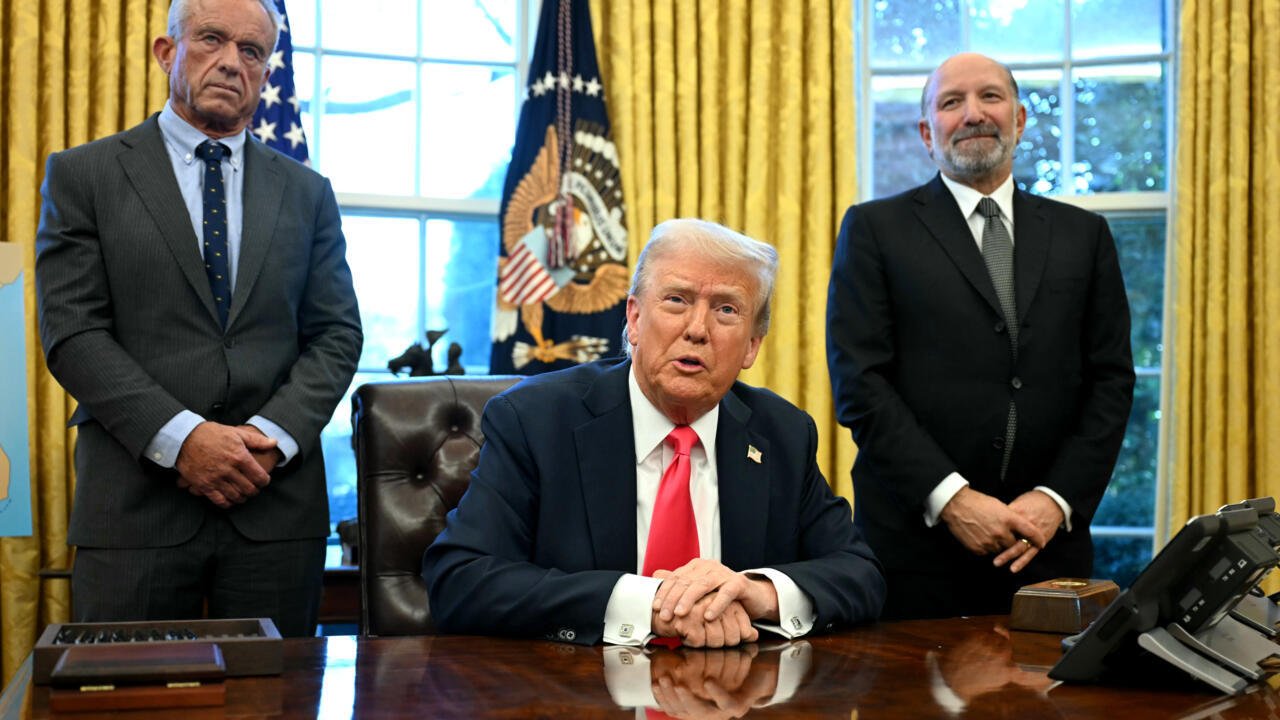
U.S. President Donald Trump has announced the introduction of a new “Gold Card” visa, which will grant green card privileges and a pathway to U.S. citizenship for a $5 million fee. Unlike the traditional EB-5 investor visa, which required investment in a business that created at least 10 U.S. jobs, the Gold Card is positioned as a premium residency option for wealthy individuals.
Trump is introducing the Gold Card as a means to attract high-net-worth individuals to the U.S. He believes that wealthy investors will contribute significantly to the economy by paying high taxes, creating jobs, and helping to reduce the U.S. deficit. The initiative aims to replace the EB-5 Immigrant Investor Program, which Trump and his administration have criticized as being “full of nonsense, make-believe, and fraud.” Commerce Secretary Howard Lutnick confirmed that the Gold Card will entirely replace the EB-5 program within two weeks.
Trump has emphasized that the Gold Card will bring in “very high-level people” who will create jobs and stimulate economic growth. He also predicted that the program could generate billions in revenue for the U.S. government by selling millions of these cards. This move aligns with the broader Trump administration strategy of cracking down on traditional immigration routes while simultaneously offering an exclusive path for the wealthy to gain U.S. citizenship.
The announcement of the Gold Card has sparked debates over its accessibility, legality, and long-term economic implications. Many question whether it prioritizes wealth over talent and job creation, and whether it will face legal challenges in Congress or the courts. Nevertheless, for those who can afford the $5 million price tag, it offers a direct and expedited route to permanent residency in the U.S.
Impact on Ugandans
While this initiative primarily targets ultra-wealthy individuals, its implications extend globally, including Uganda. But what does this mean for Ugandans seeking U.S. residency or investment opportunities?
1. Limited Accessibility for Ugandans
The $5 million price tag places the Gold Card visa far out of reach for the vast majority of Ugandans. Unlike the EB-5 program, which allowed investors to pool funds or secure structured loans, the Gold Card appears to require upfront capital. With Uganda’s GDP per capita at approximately $1,000, very few individuals or business leaders would be able to afford this pathway to U.S. residency.
2. Opportunities for Uganda’s Wealthy Elite
While the average Ugandan cannot afford this visa, Uganda’s top business moguls, entrepreneurs, and corporate leaders may find it appealing. The program provides a direct pathway to U.S. citizenship, which could be attractive for wealthy Ugandans looking for better global mobility, business expansion opportunities, and financial security in a stable economy.
3. Impact on Ugandan Investments in the U.S.
The EB-5 visa previously required investors to create at least 10 full-time jobs in the U.S., making it a structured way for African investors to contribute to job creation while securing residency. The Gold Card, however, removes the job creation requirement, meaning wealthy Ugandans who opt for this program will primarily be transferring capital rather than actively investing in businesses that create employment in the U.S.
4. Shifting Migration Trends
For many Ugandans, the traditional pathways to U.S. residency have been through student visas, employment-based visas (such as the H-1B visa), and family reunification programs. The introduction of the Gold Card may widen the gap between Uganda’s economic classes, offering an exclusive route for the ultra-rich while leaving middle-class professionals to navigate the long and complex U.S. immigration process.
5. Potential Legal and Political Risks
Trump claims that the Gold Card does not require congressional approval, but legal experts disagree. If legal challenges arise, the implementation of this visa could face delays or even cancellation. Ugandans considering this option would need to weigh the risks of investing $5 million in a program that might not be legally sustainable.
6. Alternative Immigration Options for Ugandans
For those unable to afford the Gold Card, other U.S. immigration pathways remain:
- Employment-Based Visas: Ugandan professionals in specialized fields can still apply for the H-1B, EB-2, and EB-3 visa categories.
- Student Visas: Studying in the U.S. remains a viable route to eventual residency through work opportunities like the Optional Practical Training (OPT) program.
- Family-Based Immigration: Ugandans with relatives in the U.S. may still pursue family-sponsored green card applications.
Trump’s new Gold Card visa is designed for the world’s wealthiest individuals, leaving little room for the average Ugandan to benefit. While it presents an opportunity for Uganda’s elite to secure U.S. residency, it does not contribute to job creation or provide a pathway for skilled professionals. With potential legal challenges ahead, Ugandans considering this option should approach with caution and explore alternative immigration routes.
As the global immigration landscape evolves, the real question remains: Will this initiative genuinely boost the U.S. economy, or will it serve as another exclusive privilege for the ultra-rich?



Business
The Hidden Cost of Overloading Viewers: How Aggressive YouTube Ads Fuel Ad Fatigue and Damage Brands
A more serious concern arises when this accumulated frustration spills over. Viewers not only start disliking the ads but also develop genuine resentment toward the brands behind them.

Ad fatigue goes beyond mere annoyance; it reflects a psychological reaction that arises from how our brains process repeated interruptions and unwanted content. When viewers are exposed to excessive advertising, it generates irritation and a sense of lost control, known as psychological reactance, which leads to negative associations that transfer directly from the advertisement to the brand being promoted. As a regular YouTube viewer without a Premium subscription, I have personally witnessed this decline in user experience. Over the years, YouTube has gradually increased its ad volume through tactics like double pre-rolls, unskippable mid-roll placements, frequent irrelevant ads, and back-to-back interruptions. The availability of the platform’s own ad-free subscription subtly confirms that the current advertising strategy deteriorates overall user satisfaction.
A more serious concern arises when this accumulated frustration spills over. Viewers not only start disliking the ads but also develop genuine resentment toward the brands behind them. Ads that feel irrelevant or overly repetitive invade personal time and attention. When users provide feedback by marking an ad as irrelevant, only to continue seeing almost identical follow-up creatives from the same advertiser, it suggests that the feedback system is either malfunctioning or prioritized below revenue concerns. This cycle deepens resentment toward both the platform and the brand, turning neutral or passive viewers into actively hostile ones.
While advertisers and marketers cannot directly control YouTube’s platform policies, we can avoid contributing to this damage. Rushing high volumes of campaigns onto the platform in hopes of achieving conversions may yield short-term gains in impressions, but it poses a substantial long-term risk to brand health. An advertisement that harms brand sentiment is often more damaging than not running an ad at all. Such campaigns may accelerate the shift towards ad-free subscriptions, gradually undermining the effectiveness of paid reach over time.
A Better Approach; Earn Attention Rather Than Seize It, The most effective strategy is to prioritize contextual relevance over broad demographic targeting. Targeting based on age, location, or general interests often feels intrusive, while contextual relevance appears natural and genuinely helpful. For instance, when someone watches a cooking tutorial, an advertisement for kitchen tools or ingredients integrates seamlessly rather than feeling forced. Someone following a pottery tutorial connects better with promotions for clay, wheels, or kilns rather than an ad for a random food delivery service. The tighter the alignment between the advertisement and the viewer’s immediate interest, the less intrusive the experience becomes, minimizing the risk of negative emotional responses.
Respectful ad formats are also critical in reducing fatigue. Skippable advertisements, sponsored segments, and native integrations like creator mentions are generally perceived as less invasive than unskippable interruptions. If unskippable ads are necessary, they should be limited to six seconds or less, with the first one to three seconds designed to deliver an engaging hook that captures attention immediately. These practices demonstrate respect for the viewer’s time and sense of control.
Frequency management is one of the most powerful tools available. Overexposure is one of the quickest ways to turn indifference into hostility. Encountering the same ad five or more times in one session often triggers aversion. Advertisers should use platform tools to enforce strict impression caps such as three to five views per user per day or week; based on campaign objectives. Creatives should be rotated every two to six weeks, and frequency metrics should be diligently monitored to prevent fatigue
Every advertisement must justify the interruption it causes. The interaction should function as a true value exchange entertaining the viewer, providing useful information, solving a real problem, or delivering a clear incentive like a discount or practical tip. A thirty-second ad that wastes time breeds resentment, while one that feels helpful or enjoyable is more likely to be forgiven or even appreciated.
Shifting budget allocations away from purely interruptive formats towards channels that align with existing user intent is a crucial step. Using search advertisements on platforms like Google and YouTube, forming influencer partnerships, collaborating with creators, engaging in content marketing, and building community efforts tend to generate goodwill rather than resentment. This approach resonates with users because it aligns with their interests instead of forcing their attention.
Moreover, measurement should go beyond superficial metrics, such as Click-Through Rates, which don’t indicate whether engagement arises from genuine interest or irritation. More effective indicators include brand lift studies, analysis of comment sentiment, social listening data, and qualitative feedback. These tools provide better insights into potential negative associations. Declining View-Through Rates, increasing skip percentages, and the emergence of hostile comments are critical early warning signals that need immediate attention.
Bottom line, creating effective advertising is challenging, and meaningful conversions are often hard-earned. However, digital marketing achieves lasting success when attention is treated as something to be earned rather than taken. Campaigns that consistently respect context, timing, and user experience tend to foster genuine loyalty over the long term. Conversely, those that disregard these principles accelerate the shift toward ad-free subscriptions and undermine brand equity in ways that are difficult to reverse.
This perspective does not argue against advertising itself, but rather advocates for advertising that is sustainable and respectful of the audience it aims to reach. Have you observed brands that successfully reduced aggressive tactics after noticing clear signs of audience fatigue? I would be interested in hearing your experiences or examples.
Business
The Meta Trap: How One Bot Strike Can Liquidate Your Digital Career
As a digital communicator, this ban doesn’t just erase a social profile; it obliterates gigs and revenue streams.

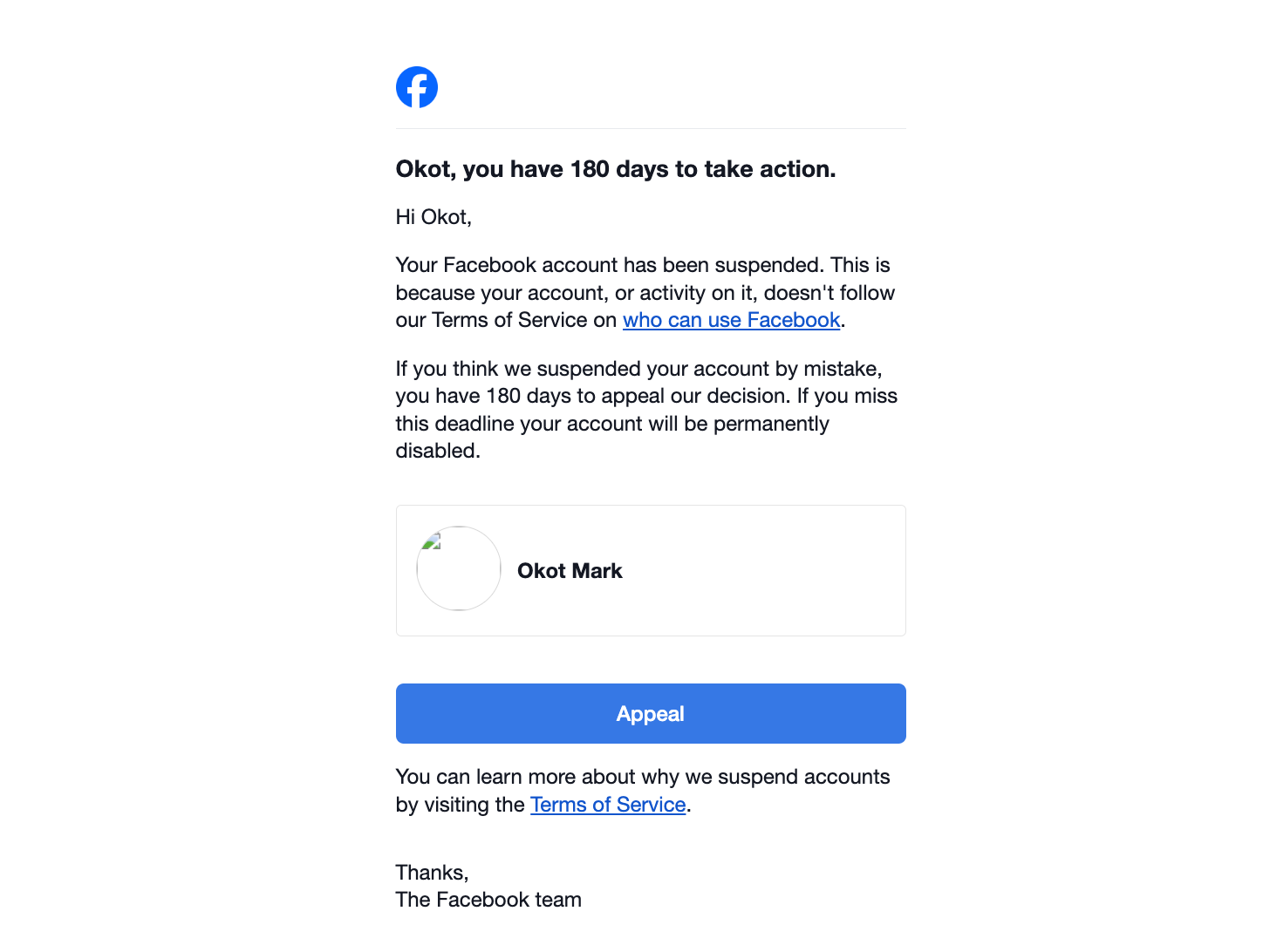
In the fast-paced world of digital communications and marketing, your online presence is your livelihood. For me, it was the foundation of multiple businesses: a music artist page, a clothing brand, a design company, and numerous client accounts. But on December 9th, everything changed with a single email from Meta. What started as a routine suspension notice escalated into a permanent ban overnight, stripping me of access to my entire professional ecosystem. No explanation. No recourse. Just gone. This isn’t just my story, it’s a cautionary tale for anyone relying on Meta’s platforms for their career.
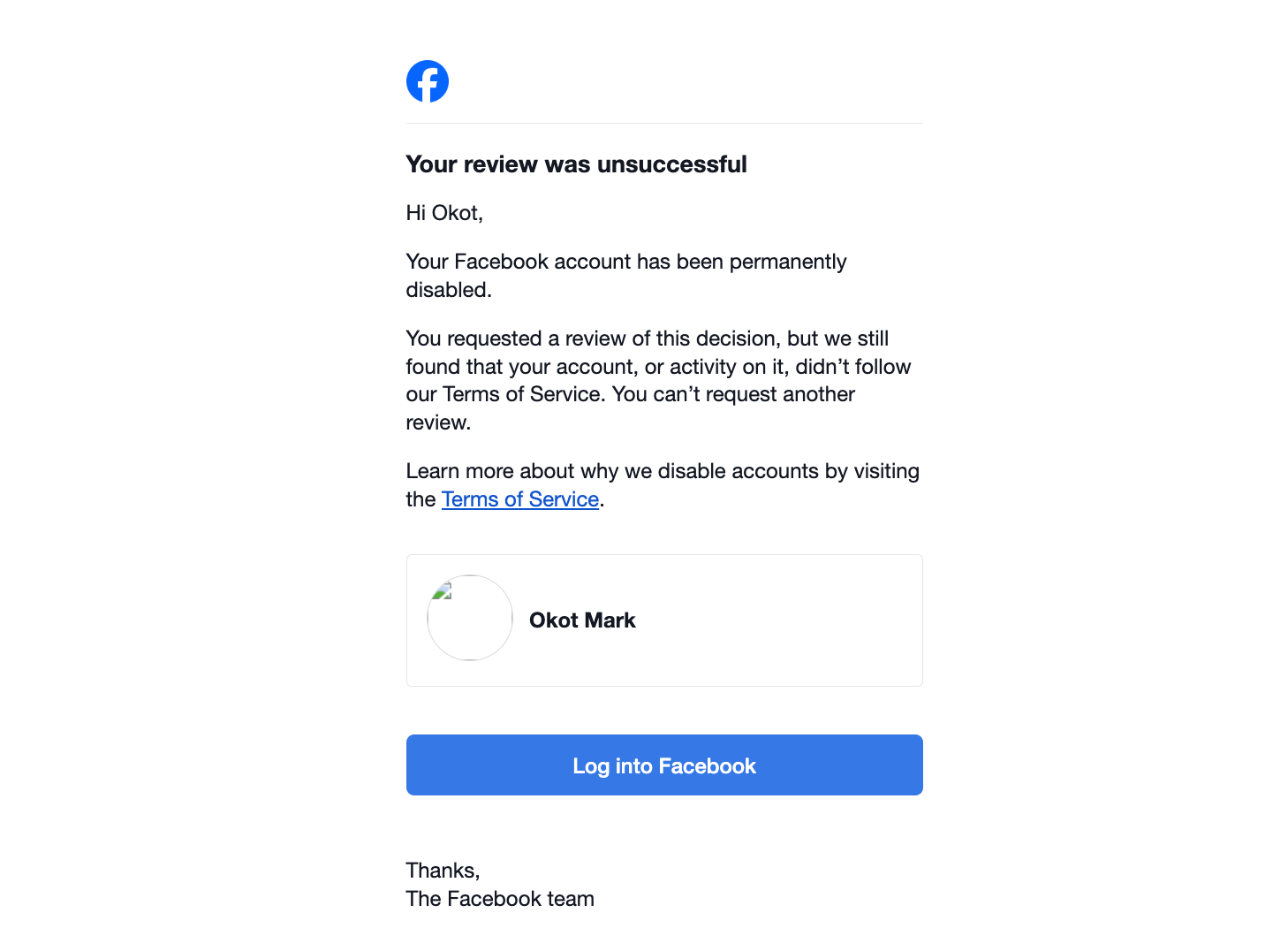
I arrived home that evening to find an email from Meta notifying me that my Facebook account had been suspended. It urged me to appeal within 180 days, or face permanent deletion. Puzzled but proactive, I submitted my appeal immediately. By the next morning, another email arrived: my account was permanently disabled, and the appeal had been denied. No reasons were provided, just a cold statement that I’d lost access forever.
I rarely posted personal content on Facebook. My account was primarily a gateway to Meta Business Suite, the hub for managing professional pages across Facebook and Instagram. Through it, I controlled a suite of business assets: my own ventures and those of my clients. As the sole full admin, I handled everything from content scheduling to campaigns. Little did I know, this setup was a ticking time bomb.
When you create a page on Facebook or Instagram, linking them via Meta Business Suite creates a unified Business Portfolio. This is the command center for your digital empire. It allows you to manage pages, grant roles to team members, and integrate tools like WhatsApp Business Platform for large-scale operations. Third-party services often require access to this portfolio to function properly.
The problem? Meta’s system ties these portfolios tightly to personal accounts. When my account was banned, I was automatically removed as the full admin, leaving the role vacant. Suddenly, Meta held sole control over my pages and client portfolios. Attempts to log in via Instagram offered limited access, but I couldn’t remove the banned account or promote another user to full control.
Desperate for resolution, I reached out to Meta’s support; only to discover it’s virtually nonexistent for issues like this. Human responses (when they came) were unhelpful. Many online forums suggested subscribing to Meta Verified on Instagram as a workaround, but that didn’t resolve the core issue. I even filed countless “Admin Dispute Claims,” providing every requested document: business registrations, IDs, proof of ownership. Their response? They couldn’t manually promote another admin because the original account was banned. The exact reason I was disputing in the first place!
This circular logic is infuriating. Online communities are rife with similar complaints: Meta’s automated bots flag and delete accounts without transparency or appeal processes that actually work. Some advise assembling a legal team to confront Meta directly, arguing that they’re effectively holding your digital assets hostage. In my case, that’s exactly what happened. I lost control of my music page, clothing brand, design firm, and client accounts overnight, all without a single violation explained.
As a digital communicator, this ban doesn’t just erase a social profile; it obliterates gigs and revenue streams. Clients rely on seamless access to their ad data, analytics, and campaigns. Without it, projects stalled, trust eroded, and opportunities vanished. Researching further, I found this is a widespread epidemic. Countless marketers, creators, and small business owners have shared horror stories on forums like Reddit and X (formerly Twitter). Meta’s opaque algorithms and lack of accountability have led to lost livelihoods, with users begging for reasons that never come.
The stakes are high in an industry where platforms like Meta control the gates to billions of users. One unjust ban, and your life’s work evaporates. It’s not just about losing followers; it’s about Meta seizing ownership of your Business Portfolio and refusing to relinquish it.
If you’re in digital marketing or communications, don’t wait for the dreaded email. Here’s how to safeguard your assets:
- Distribute Admin Roles Wisely: Grant full admin rights in your Business Portfolio to a few trusted colleagues or partners. This creates redundancy, so a single ban doesn’t lock everyone out.
- Create Backups: Set up duplicate pages or alternative accounts as contingencies. Mirror key content and audiences where possible.
- Disassociate Personal and Business Accounts: Where feasible, unlink your personal Facebook account from business pages. Use dedicated business profiles to minimize risk.
- Diversify Platforms: Don’t put all your eggs in Meta’s basket. Build presence on alternatives like LinkedIn, TikTok, or X to mitigate total loss.
- Prepare for the Worst: Document everything, screenshots of access, business proofs and consider legal consultation early. It is said that Meta responds better to formal demands than support tickets.
Meta’s ecosystem is powerful, but it’s also precarious. One day, without warning, they could claim full ownership of your digital portfolio and refuse to give it back. My experience proves it. Don’t let it happen to you, act now to secure your future in this volatile online world.
Business
What Ugandan Artists on Bandcamp Need to Know
The US has introduced new tariffs following the expiration of the de minimis exemption, which previously allowed duty-free imports for shipments under $800
As a Ugandan artist on Bandcamp, you may have received a recent email regarding new US tariffs impacting global shipping. Announced on August 28, 2025, these changes affect the shipment of physical merchandise from Uganda to the United States, an important market for independent artists. This guide explains what the tariffs mean for you, how they may impact your sales, and steps you can take to continue reaching US fans.
The US has introduced new tariffs following the expiration of the de minimis exemption, which previously allowed duty-free imports for shipments under $800. This shift means many physical goods shipped from Uganda to the US now face import duties. Additionally, the uncertainty around these tariffs has led many global mail carriers to suspend deliveries to the US, creating challenges even for tariff-exempt items. Here’s how this affects you:
- Tariffs Hit Physical Merch, Not Digital Sales
Apparel and other goods like shirts, hoodies, hats, and totes are now subject to tariffs, which could increase costs for your US buyers. Digital sales; your MP3s, FLAC files, or streaming revenue are unaffected, offering a safe haven for part of your income. - Exemption for Music and Media
Good news: “informational media” like vinyl records, CDs, cassettes, books, and sheet music are exempt from these tariffs. However, many international carriers are halting all shipments to the US, even for exempt items, due to the tariff confusion. - Shipping Disruptions
With global carriers suspending US deliveries, even exempt items such as vinyl or CDs may not reach American fans at this time. These disruptions could delay orders, impact customer satisfaction, and affect your sales if not addressed proactively.
The US is a vital market for Ugandan artists on Bandcamp, where fans frequently purchase physical releases and merchandise. These tariffs and shipping suspensions may disrupt this important connection.
- Higher Costs for Fans
US buyers may face unexpected import duties on non-exempt items like apparel, making your merch less affordable. If you choose to cover these costs (via Delivered Duty Paid shipping), your profit margins could shrink. - Limited Local Options
Uganda’s manufacturing scene for high-quality vinyl or custom apparel is limited, meaning many artists rely on international suppliers or direct exports. Tariffs and shipping issues complicate this, potentially raising costs or delaying production. - Fan Trust at Risk
Unexpected fees or undelivered orders may cause confusion or dissatisfaction among US fans. Clear communication is essential to maintain audience loyalty, particularly in genres where Ugandan artists have established strong followings.
Bandcamp and industry insights offer several ways for Ugandan artists to navigate these changes:
- Pause US Merch Sales (If Needed)
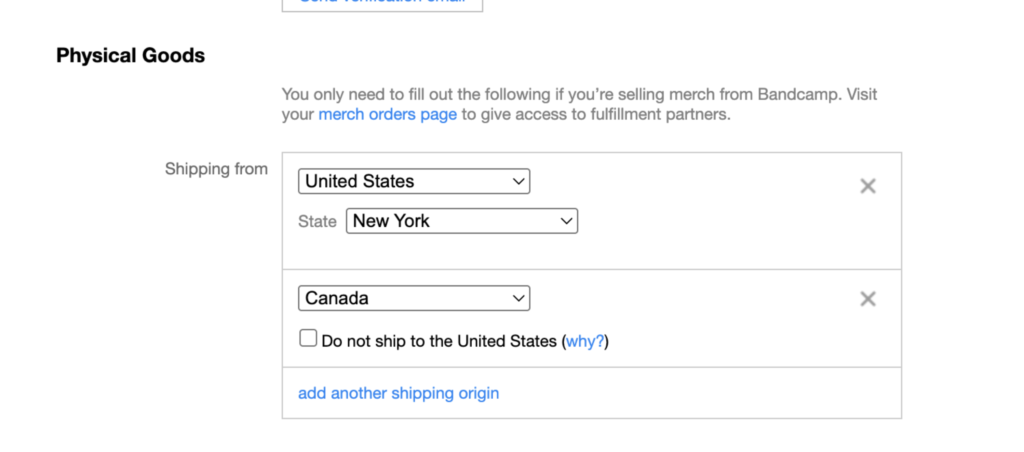
Bandcamp now lets you disable US shipping for physical goods from specific origins. Head to Edit Profile > Physical Goods > Shipping from in your account to temporarily pause sales. This can prevent headaches from undeliverable orders or unexpected fees while carriers sort out their US routes.
- Focus on Exempt Items
Prioritize selling tariff-exempt products like vinyl, CDs, or cassettes. Double-check with your postal carrier (e.g., Uganda Post or couriers like DHL) to see if they’re still shipping these to the US. Use accurate HS Codes on labels to ensure customs recognizes the exemption. - Talk to Your Fans
Use Bandcamp’s Community messaging feature to update US buyers about potential delays or tariff costs. Explain that these are government-imposed fees, not your doing, to keep fans supportive. A quick message can go a long way in preserving trust. - Consider Delivered Duty Paid (DDP) Shipping
For non-exempt items like apparel, DDP shipping lets you prepay tariffs and include them in the price, giving US fans cost certainty. This requires upfront calculations and may cut into profits, so weigh the pros and cons. - Lean into Digital Sales
Digital releases are tariff-free and immune to shipping woes. Promote your albums, singles, or virtual events to US fans to maintain revenue. For inspiration, look at how Ugandan artists like those on The Ugandan Rite use digital releases to reach global audiences. - Stay Updated
Check Bandcamp’s Help Center (https://get.bandcamp.help) for the latest on tariffs and shipping. Reach out to your postal carrier for updates on when US deliveries might resume. If you’re dealing with complex orders, consider consulting a trade expert for advice.
These tariffs and shipping disruptions could challenge Ugandan artists’ ability to reach US fans, a critical audience for Bandcamp sales. While digital sales offer a workaround, physical merch like vinyl or apparel is a big part of many artists’ income and cultural impact. In the long term, you might consider exploring regional markets in East Africa or pursuing digital collaborations to diversify your revenue, although these may not match the scale of the US market.
The new US tariffs are a hurdle, but Ugandan artists are no strangers to creativity and adaptability. By focusing on exempt items, pausing US shipping when needed, and keeping fans in the loop, you can minimize disruptions. Lean on Bandcamp’s tools and community to stay connected with your audience, and keep an eye on the Help Center for updates. Your music and merch are worth it; keep shining!
For more details, visit https://get.bandcamp.help or contact Bandcamp support.


The Hidden Cost of Overloading Viewers: How Aggressive YouTube Ads Fuel Ad Fatigue and Damage Brands

People Should Check Themselves Before Crashing Out and Talking About How Bad Uganda Is.

The Imperative of Strict Accountability: Enforcing Uganda’s Official Secrets Act Against Leakers


-

 Entertainment1 year ago
Museveni’s 2025 Copyright for Musicians breakdown
-

 Business1 year ago
Uganda’s Ministry of Finance projects significant growth opportunities in 2025
-

 Policies1 year ago
Breakdown of the Uganda Police Force Annual Crime Report 2024
-

 Business1 year ago
The 9 worst mistakes you can ever make at work
-

 Policies1 year ago
Is Uganda’s Shs10m Fine the WORST Thing for Cohabiting Couples?
-

 Sports12 months ago
The Transformative Impact of World Cup Qualification for Uganda
-

 Health1 year ago
Breaking down the Malaria Vaccine Rollout in Uganda
-

 Entertainment1 year ago
Isaiah Misanvu Teams Up with Nil Empire for a Soul-Stirring Anthem of Gratitude and Transformation “Far Away”