
Blog
Laroo-Pece Mayor HW Aber Gifter Confirms Security Meeting Held, Pledges Community-Wide Approach to Restore Safety in Gulu City
Just days after taking office, Laroo-Pece Division Mayor HW Aber Gifter has confirmed a high-level joint security meeting has taken place and concrete measures are now being implemented to restore safety in Gulu City. She will meet LC1 Chairpersons on Tuesday to strengthen grassroots coordination on security and the ongoing Ebola threat, while urging residents to cooperate with security forces.

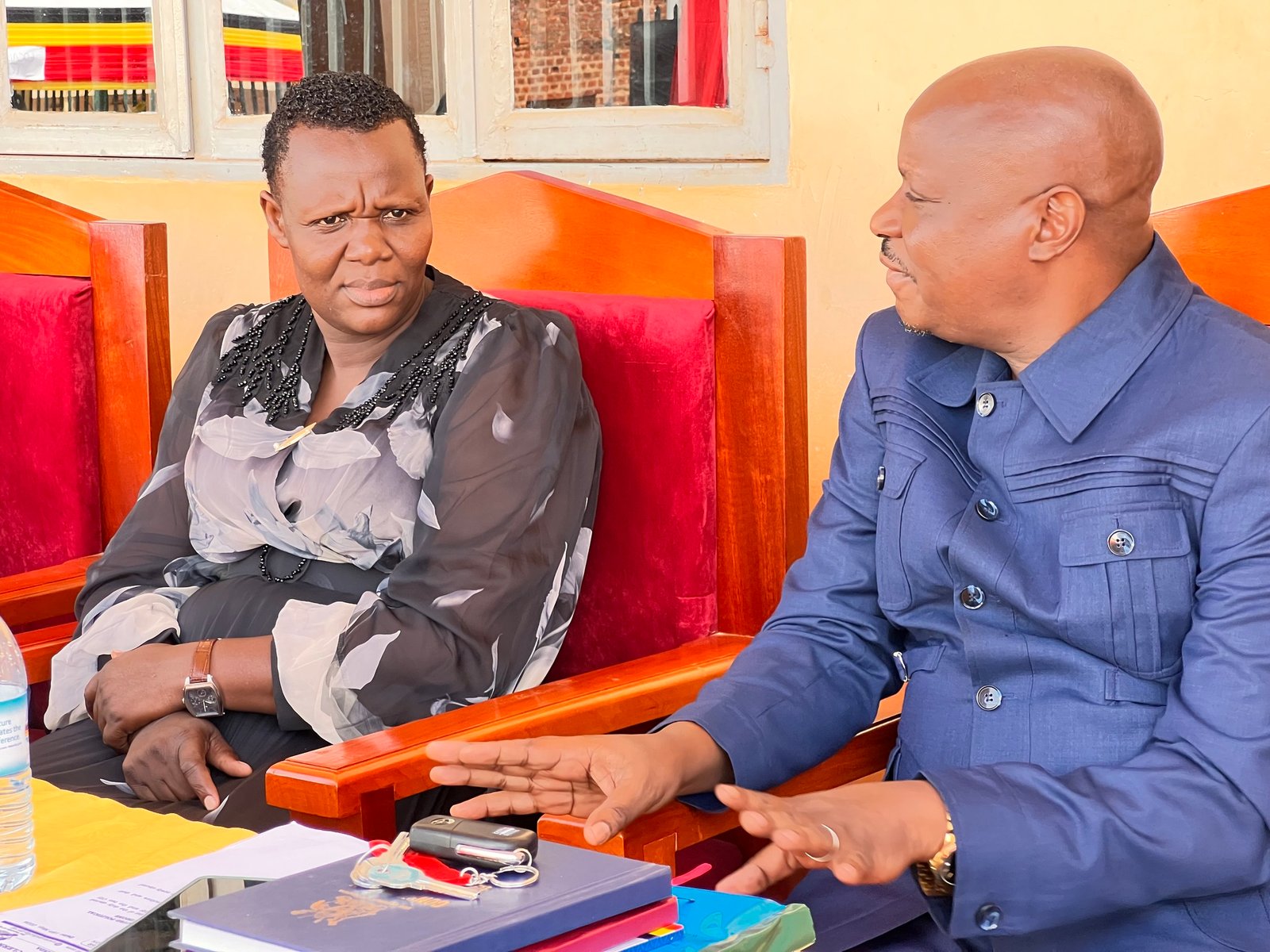
Just days after taking office and vowing to make security her top priority, Laroo-Pece Division Mayor HW Aber Gifter has confirmed that a high-level joint security meeting has already taken place, with concrete action plans now being implemented on the ground.
In an update issued this Saturday, the newly sworn-in mayor told residents that she had successfully convened a meeting with the relevant security organs, during which practical strategies were agreed upon to tackle the wave of criminal activity that has gripped Gulu City in recent weeks.
While the mayor declined to disclose the specific details of the measures being put in place, citing security and operational sensitivities, she was firm in her assurance to the public.
“Concrete measures are already being implemented, and all stakeholders remain committed to restoring peace and safety in our communities,” she stated.
Moving beyond the security apparatus, Mayor Aber Gifter is taking her campaign for safety to the community level. She announced that on Tuesday she will meet with all LC1 Chairpersons across the division; the frontline leaders closest to ordinary residents to strengthen coordination, address challenges facing local leaders, and ensure more effective service delivery at the grassroots.
The move signals an understanding that lasting security cannot rest on enforcement alone, but must be rooted in community trust and local leadership.
The Tuesday meeting will not be limited to security matters. Mayor Aber Gifter revealed that the ongoing Ebola disease threat will also feature prominently on the agenda, with leaders to be urged to reinforce adherence to Standard Operating Procedures and intensify community sensitisation in their respective areas.
“We must all play our part in protecting our families and neighborhoods,” she said, underscoring that public health and public safety are equally pressing concerns for her administration.
In what may be among the most practical appeals in her statement, the mayor called on residents to actively cooperate with security personnel conducting operations, whether by day or by night. She urged residents who are approached by security forces to calmly identify themselves, explain their movements, and comply with lawful instructions.
“Security personnel are working to protect our communities, and law-abiding citizens have nothing to fear,” she said. “Such cooperation will help security agencies distinguish genuine residents from criminals and suspicious individuals.”
The appeal reflects the reality that effective policing in an urban environment like Gulu City depends heavily on the trust and participation of the very communities being protected.
Six days into her tenure, Mayor Aber Gifter appears to be moving at the pace she promised. The security meeting has been held. Grassroots consultations are scheduled. And a health threat is being woven into the broader conversation about community welfare, a sign that her administration is thinking holistically about the challenges facing Laroo-Pece residents.
Observers and residents alike will now be watching to see whether the action plans agreed upon in the security meeting translate into a visible and measurable reduction in crime in the days and weeks ahead.
“Together, we shall build a safer Laroo-Pece and a stronger Gulu City,” the mayor concluded; words that will be tested, and remembered, by the people she serves.
Statement issued by HW Aber Gifter, Mayor, Laroo-Pece Division, Gulu City. Saturday, 30 May 2026.



Agriculture
A restriction on smallholder maize would trade food security for a cash-crop bet Uganda has already lost once
A restriction on smallholder maize is not intensification. It is prohibition.Most Ugandan farms are already under four acres. A legal line at that size covers the people who grow the staple, not a fringe of inefficient plots.
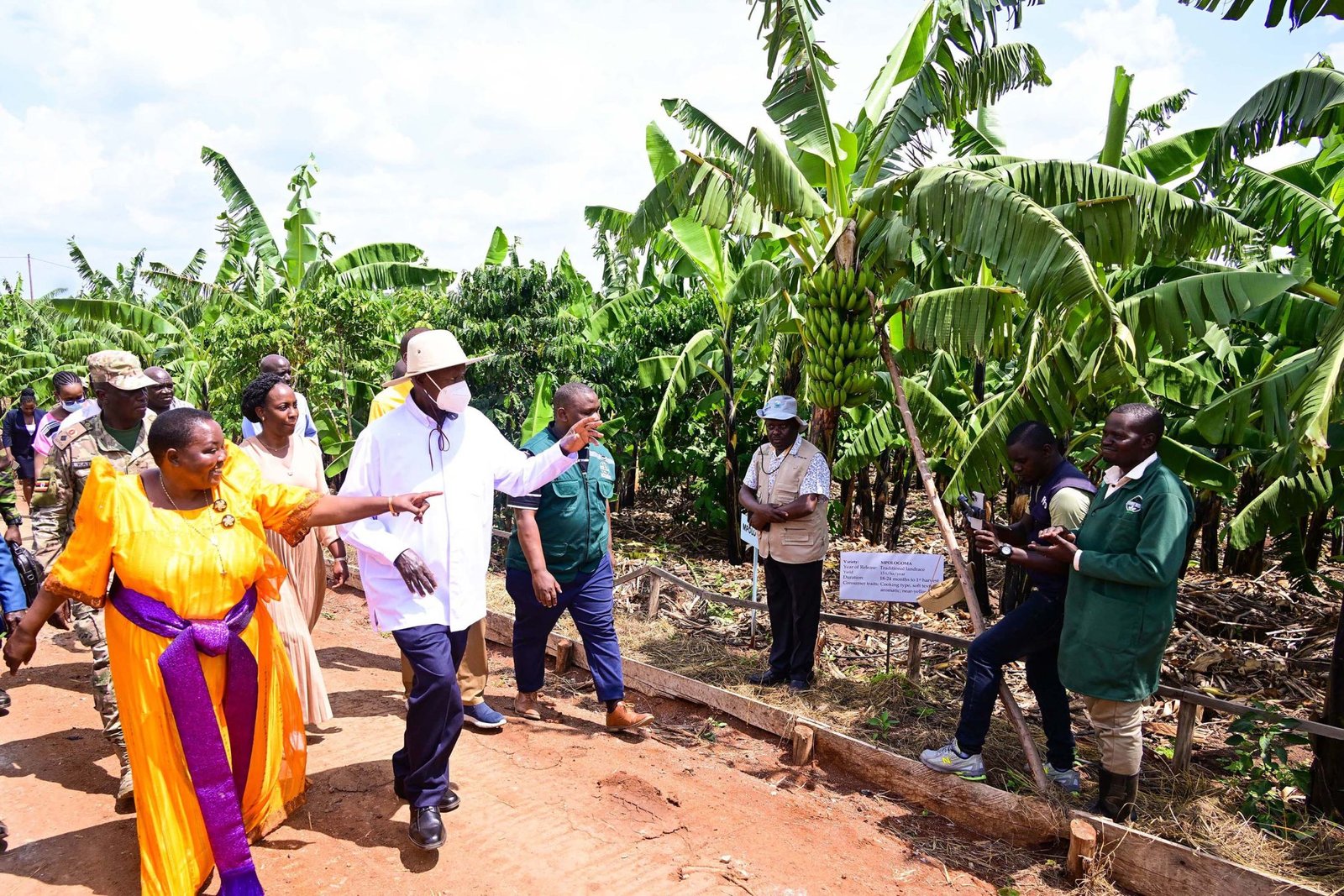
Prime Minister Robinah Nabbanja states that President Museveni has directed her to draft legislation that would prohibit farmers with less than four acres from growing maize, sugarcane, tobacco, and cotton. Instead, smallholders would be encouraged to focus on coffee, poultry, piggery, dairy, and fruit cultivation, which are considered high-value crops at the core of the Four-Acre Model. The aim of this policy is to maximize returns from limited land. However, there is a concern that such a restriction may reduce the cultivation of maize, which is a staple crop for many farming households, especially during times of drought, rising food prices, and increasing regional demand for grain. This is not merely a debate about agricultural intensification; it centers on the issue of prohibition.
Maize is already recognized as the main temporary crop in Uganda. According to the Uganda Bureau of Statistics (UBOS) 2019 Agricultural Survey; the last comprehensive survey detailing crop production to maize was the most cultivated temporary crop, grown by 69 percent of agricultural households. In that season, Uganda produced 2.8 million metric tonnes of maize, a decrease from 3.4 million tonnes in 2018. The regions leading in production included Buganda North with 710,000 tonnes, followed by Bunyoro at 561,000, and Buganda South at 266,000. Of the total harvested, 63.4 percent was sold raw while 27.4 percent was retained for household consumption. Over the past decade, households have increasingly shifted towards growing cassava, maize, and bananas while moving away from millet and beans. Maize is not a secondary crop; it is a core staple for many households and a primary source of income.
It is estimated that around 90 percent of Uganda’s maize is produced by smallholders, a figure often cited in agricultural research and value-chain reports, including those from Wageningen University and CIMMYT-related maize studies. However, this figure is not published by UBOS itself. While UBOS does report who grows maize, how much is produced, and its uses, it does not break down national production into smallholder versus estate contributions. Research literature that uses the 90 percent figure typically characterizes production as being led by households cultivating less than two hectares, growing maize primarily for food and income. Some reports mention millions of households growing maize, with varying cultivation rates depending on the survey and year. What remains consistent is the structure of production: commercial estates are in the minority, and small farms make up the majority.
A ban on maize cultivation for smallholders would not be a minor adjustment. The average Ugandan farm size is already around 1.2 to 1.5 hectares, with many households farming less than one hectare. Reports from Kilimo Trust and other value-chain work indicate that maize plots are commonly under two hectares. Therefore, a legal limit of four acres would encompass most of those who currently grow maize.
The Four-Acre Model allocates one acre for food crops, but enacting a law that prohibits maize cultivation on smaller plots contradicts this framework. While coffee, fruit, and livestock can provide cash income, they do not replace staple foods like posho (maize flour), which is essential for household meals, including school lunches and the feed necessary for poultry and pigs. Both UBOS’s figure of 27.4 percent of maize used for household consumption and research estimates suggesting even higher figures highlight that a significant portion of the harvested maize remains within the household food system.
Maize yields in Uganda are low, presenting an argument for increased investment rather than a ban on cultivation. National average maize yields hover around 2.2 tonnes per hectare; approximately 900 kilograms per acre while well-managed conditions can yield between 6 and 8 tonnes, and sometimes higher in controlled research settings. Subsistence plots typically yield between 700 and 1,000 kilograms per acre, whereas high-input plots can reach 1,800 to 2,200 kilograms. The drop in national production from 3.4 million tonnes to 2.8 million tonnes between 2018 and 2019 already highlighted how sensitive output is to weather and input availability.
The yield gap is well-documented, caused by factors such as the use of recycled and informal seeds, low fertilizer application compared to other African countries, reliance on rain-fed production, pests, and climate-related shocks. Flooding can lead to yield losses of nearly 18 percent, while drought can cause a decline of about 10 percent. Projections indicate further national declines of approximately 10 to 12 percent by 2030 if current seed varieties remain unchanged. In northern districts like Lamwo and Pader, extended dry spells in 2024 disrupted flowering and led to poor harvests, prompting local agricultural officials to advise farmers to diversify their crops, as cereals suffered significant losses. This situation calls for the adoption of drought-resistant seeds, improved water management, and assessment of flood risks, rather than a ban on maize cultivation for the farms that still produce the majority of it.
These facts do not indicate that growing maize is unfeasible on plots smaller than four acres; rather, they reveal that public policy has consistently under-invested in this staple crop. Combining improved seeds with better fertilizer application has been linked to substantial yield gains on existing small plots. Advanced hybrid varieties could potentially double yields under current climatic conditions according to modeling studies. Relying solely on a smaller number of large-scale farms to increase maize production assumes that such units will emerge, remain involved in maize production, and sell at competitive prices in domestic markets. This is more of a hope than a concrete plan.
The story of Uganda’s vanilla market serves as a warning, not a peripheral issue. The country has experienced the consequences of shifting smallholders towards high-value export crops, as was seen in Madagascar in the late 1990s.
Business
What Uganda’s Maize Story Tells Us About Future Opportunities
Maize is at the heart of Uganda’s farms, feeding families and generating livelihoods. With 69% of agricultural households growing it and 2.8 million metric tonnes produced, the numbers reveal a crop with enormous importance and opportunity.
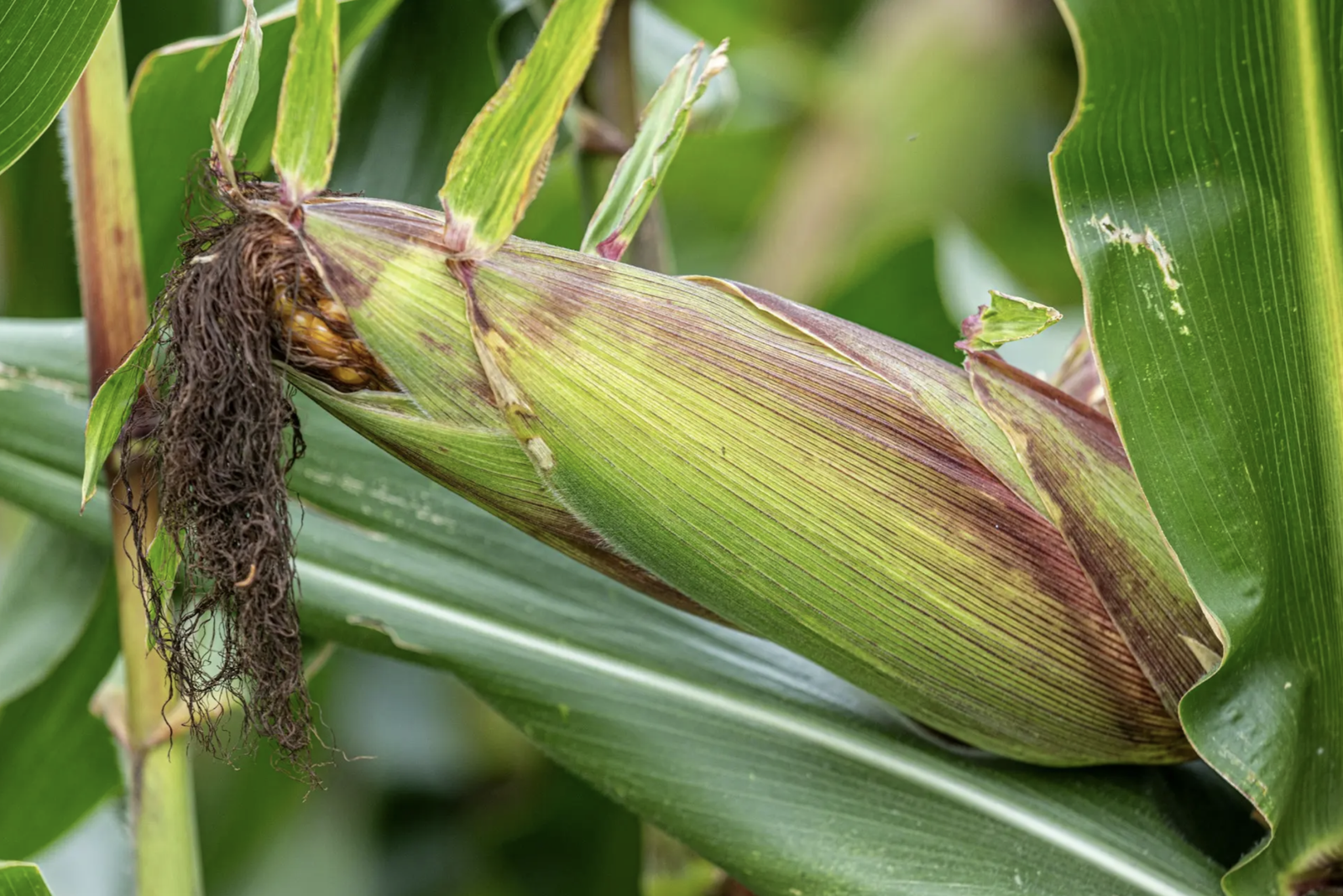
If you ask any Ugandan farmer what they cultivate, there’s a high likelihood they’ll say maize. According to the Uganda Bureau of Statistics (UBOS), maize is the most widely grown crop in the country, cultivated by 69% of all agricultural households. It is more than just a crop; it represents a national habit, a source of livelihood, and a daily meal for millions of families.
In a recent agricultural season reported by UBOS, Ugandan farmers produced 2.8 million metric tonnes of maize. This output is not trivial; it reflects the hard work of hundreds of thousands of smallholder farmers across the country, from the central region to the west, who plant, tend to, and harvest this grain season after season.
The regions that excel in maize production tell an important story. Buganda North leads the country with 710,000 metric tonnes produced in that season, followed by Bunyoro with 561,000 metric tonnes and Buganda South with 266,000 metric tonnes. Together, these regions contribute well over a million tonnes of maize annually, highlighting the concentration of agricultural effort that has made maize the backbone of Uganda’s crop economy.
What happens to Uganda’s maize after it’s harvested is as significant as the quantity produced. UBOS data indicates that over 63% of the maize is sold in its raw, unprocessed form directly from farms to markets. Meanwhile, approximately 27.4% is retained by the households that grow it, providing food for their own families.
This distribution underscores maize’s dual role in Uganda: it serves both as a source of income and a safety net for food security. For many rural households, the same sack of maize sold at the local market this week might have fed the family just last month.
Maize’s rise has not occurred in a vacuum. Over the past decade, UBOS survey data shows a clear trend in Ugandan agriculture: households are shifting away from crops such as millet and beans and increasingly favoring maize, cassava, and bananas. Whether influenced by changing preferences, improved market access for maize, or consistent performance in various seasons, this trend toward maize has been steady.
We are closely studying this national picture. While we have not yet broken ground, we are in the early stages of deliberately planning the foundation for a farm that will be launched in the coming years. The data underscores why maize is central to our plan: it is the crop that Ugandan households already trust, grow, and rely on for both income and food security.
Starting a farm from scratch requires us to understand the market as it currently exists, not as we envision it. This means listening to what the data reveals about how Ugandan farmers grow, sell, and consume maize, which will inform the type of farm we aspire to create.
The seven out of ten farming households that already grow maize in Uganda are more than just a statistic; they are the community we are preparing to join.
Source: Uganda Bureau of Statistics (UBOS), 2019 Agricultural Survey; the most recent UBOS release with this level of crop-specific detail.
Politics
Uganda Launches Evacuation of Nationals from South Africa Amid Rising Xenophobic Violence
Following rising xenophobic attacks, Uganda has launched an urgent evacuation of its nationals from South Africa. 746 citizens have already registered as President Museveni orders special flights home.
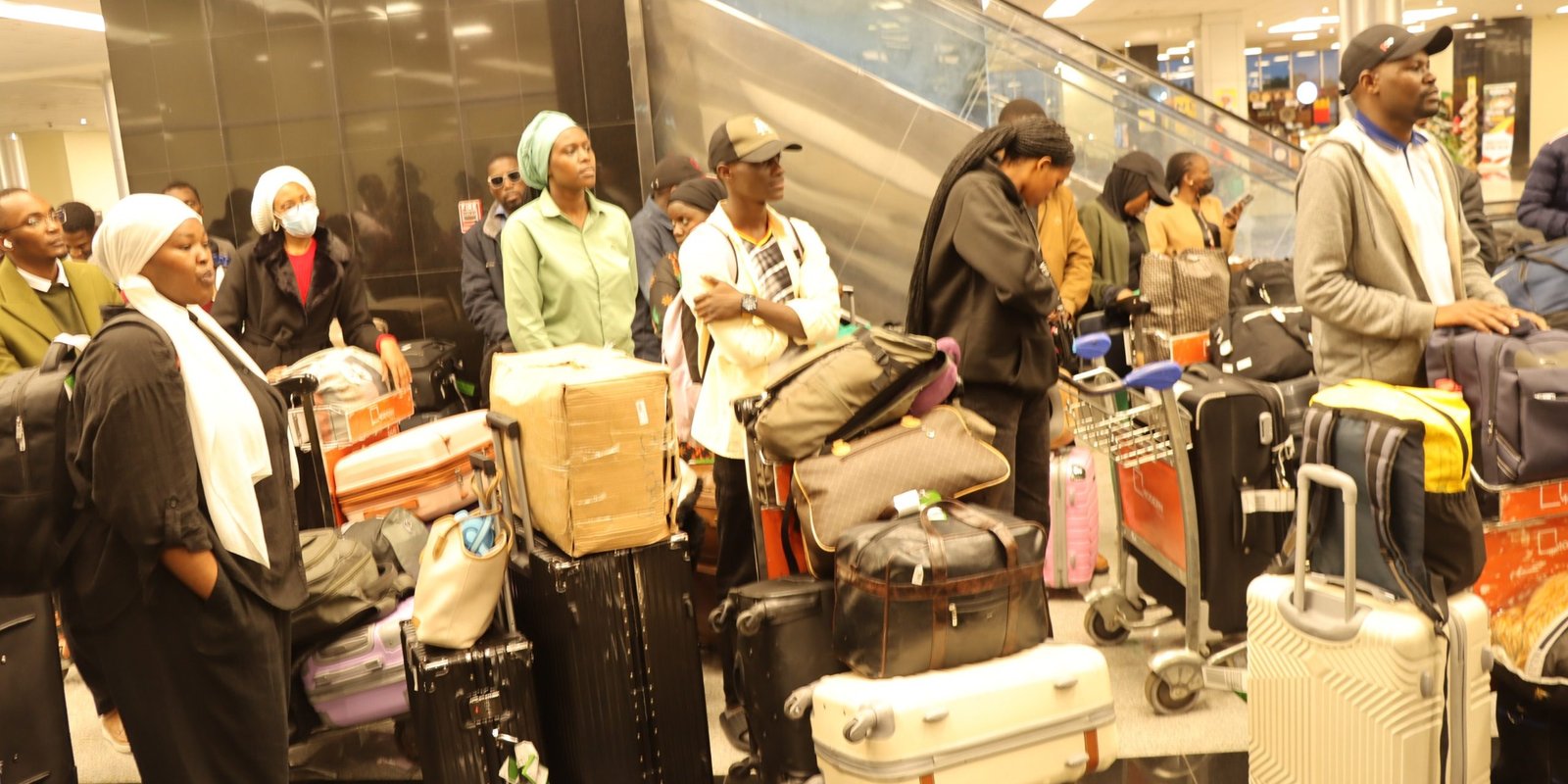
President Yoweri Kaguta Museveni has directed the Ministry of Foreign Affairs, in coordination with several other government bodies, to finalize and implement the evacuation operation, which is expected to begin in the coming days.
According to a press statement issued by the Ministry today, 746 Ugandans have already voluntarily registered for assisted evacuation due to serious safety and security concerns. Many more are expected to register, while numerous others have already left South Africa independently after vigilante groups reportedly issued a deadline of 30 June 2026.
The evacuation plan includes registering affected nationals across South African provinces, transferring them to safe assembly points, issuing emergency travel documents where needed, and coordinating with immigration authorities. In partnership with the Ministry of Works and Transport, the government has arranged for Uganda Airlines to operate special charter flights, which will be fully funded by the Ugandan government.
The statement also noted that other African countries have similarly evacuated their nationals from South Africa in response to the current situation. Uganda continues to engage directly with the South African government to ensure the safety of the remaining Ugandan nationals.
In a somber development, the government confirmed that one Ugandan national was killed in an attack in KwaZulu-Natal Province. Preparations are underway to repatriate the body to Uganda, and the Acting Minister of Foreign Affairs has extended heartfelt condolences to the bereaved family.
Hon. Haruna Kyeyune Kasolo, Acting Minister of Foreign Affairs, signed the official statement, which emphasized the government’s commitment to the safety of its citizens abroad.
This marks a significant repatriation effort amid ongoing tensions in South Africa, where foreign nationals have faced repeated waves of xenophobic attacks in recent years.


A restriction on smallholder maize would trade food security for a cash-crop bet Uganda has already lost once

What Uganda’s Maize Story Tells Us About Future Opportunities

Uganda Launches Evacuation of Nationals from South Africa Amid Rising Xenophobic Violence


-

 Entertainment2 years ago
Museveni’s 2025 Copyright for Musicians breakdown
-

 Sports2 years ago
The Transformative Impact of World Cup Qualification for Uganda
-

 Business2 years ago
The 9 worst mistakes you can ever make at work
-

 Policies2 years ago
Breakdown of the Uganda Police Force Annual Crime Report 2024
-
 Business2 years ago
Uganda’s Ministry of Finance projects significant growth opportunities in 2025
-

 Entertainment2 years ago
Uganda Cracksdown On Vulgar Music Content | Gloria Bugie, Shakira Shakira, targeted
-

 Policies2 years ago
Is Uganda’s Shs10m Fine the WORST Thing for Cohabiting Couples?
-

 Health2 years ago
Breaking down the Malaria Vaccine Rollout in Uganda