
Politics
President Museveni Pledges to Upgrade Isunga Police Station, a Historic Bush War Site
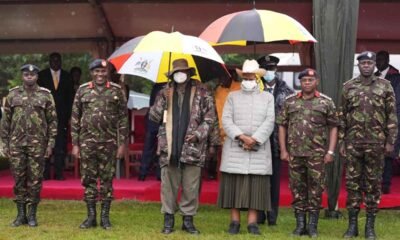
During a visit to the station on Friday, the President reflected on its significance and promised a much-needed facelift for the facility.


Kagadi, Uganda – President Yoweri Kaguta Museveni has announced plans to renovate and upgrade Isunga Police Station in Kagadi district, a location etched in Uganda’s history as a key site during the 1981 Bush War that marked the beginning of his armed struggle for liberation.
During a visit to the station on Friday, the President reflected on its significance and promised a much-needed facelift for the facility. He tasked Major General David Mugisha, Commander of the Special Forces Command (SFC), and Ms. Jane Barekye, State House Comptroller, with overseeing the reconstruction efforts, signaling the government’s commitment to preserving and modernizing this historic site.
President Museveni took the opportunity to recount the dramatic events of February 6, 1981, when he and a small group of 27 comrades launched their campaign against the government of Milton Obote. Armed with limited resources, just 27 guns, the group initiated their rebellion with an audacious attack on Kabamba Barracks. After seizing military equipment there, they pressed forward through Kagadi, eventually reaching Isunga Police Station.
It was at Isunga that the rebels achieved a pivotal victory, overrunning the station and capturing a prized RPG-7B rocket-propelled grenade launcher. The President underscored the weapon’s importance, explaining how it bolstered their modest arsenal and proved instrumental in subsequent battles. “This RPG gun was a valuable addition to the few weapons we had captured from Kabamba earlier that day. It helped us in our struggle,” he said, highlighting its strategic role in the early days of the National Resistance Army (NRA) campaign.
Isunga Police Station stands as more than just a functional outpost; it is a symbol of resilience and determination in Uganda’s liberation narrative. The 1981 Bush War, which began with these early skirmishes, ultimately led to Museveni’s rise to power in 1986, ending years of political instability and conflict in the country. The President’s pledge to upgrade the station reflects a broader effort to honor the sacrifices made during that tumultuous period while improving infrastructure for the benefit of the local community and security forces stationed there.
The planned reconstruction is expected to modernize the facility, ensuring it meets contemporary policing needs while preserving its historical legacy. Though specific details of the project’s timeline and budget remain undisclosed, the involvement of high-ranking officials like Maj. Gen. Mugisha and Ms. Barekye suggests a prioritized and well-coordinated effort.
For the people of Kagadi district, the President’s visit and commitment to revitalizing Isunga Police Station serve as a reminder of their region’s role in shaping Uganda’s destiny. As the nation continues to evolve, this historic site will soon stand as a testament to both its past struggles and its aspirations for a stable and prosperous future.



Politics
Uganda Launches Evacuation of Nationals from South Africa Amid Rising Xenophobic Violence
Following rising xenophobic attacks, Uganda has launched an urgent evacuation of its nationals from South Africa. 746 citizens have already registered as President Museveni orders special flights home.
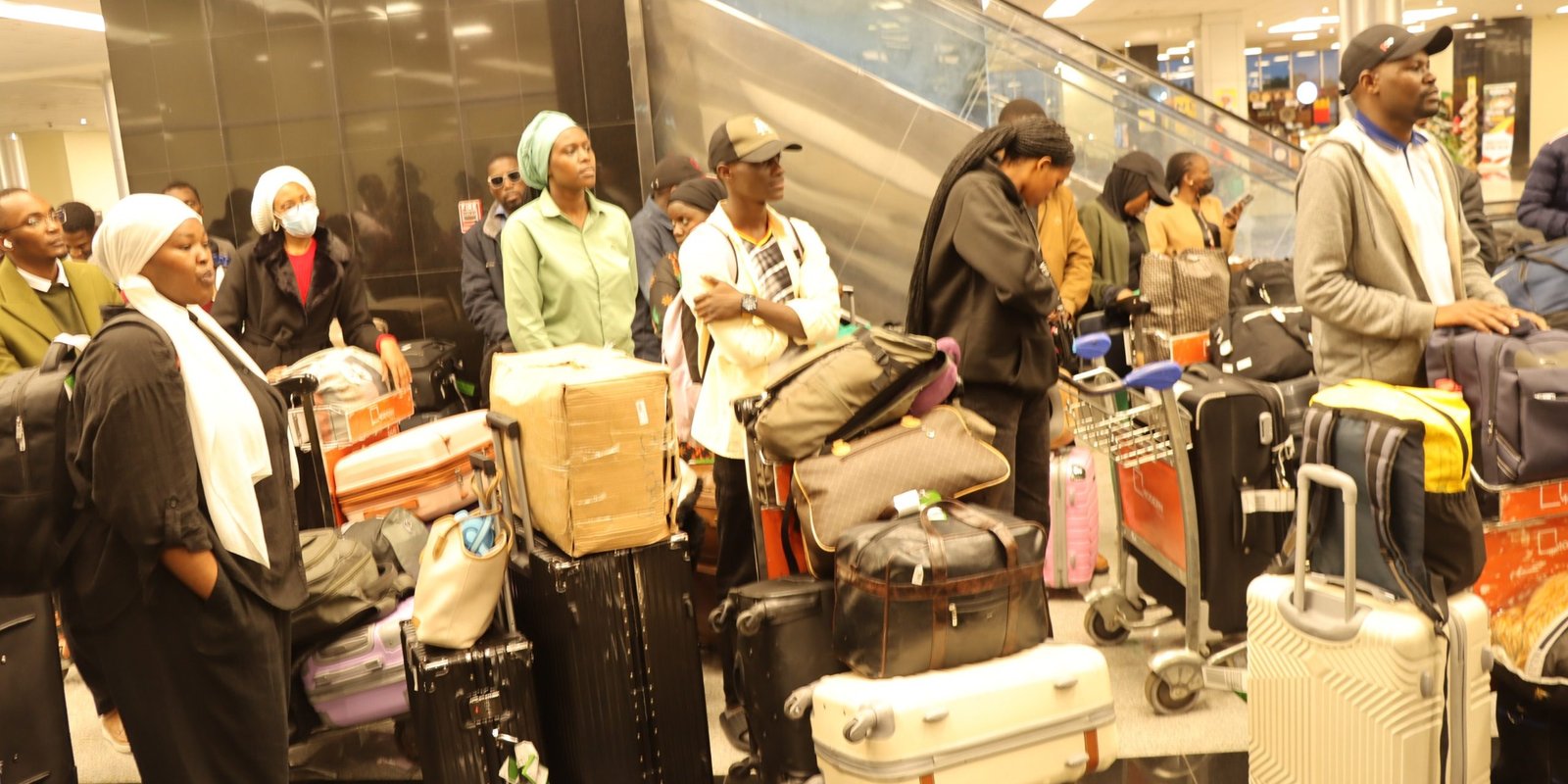
President Yoweri Kaguta Museveni has directed the Ministry of Foreign Affairs, in coordination with several other government bodies, to finalize and implement the evacuation operation, which is expected to begin in the coming days.
According to a press statement issued by the Ministry today, 746 Ugandans have already voluntarily registered for assisted evacuation due to serious safety and security concerns. Many more are expected to register, while numerous others have already left South Africa independently after vigilante groups reportedly issued a deadline of 30 June 2026.
The evacuation plan includes registering affected nationals across South African provinces, transferring them to safe assembly points, issuing emergency travel documents where needed, and coordinating with immigration authorities. In partnership with the Ministry of Works and Transport, the government has arranged for Uganda Airlines to operate special charter flights, which will be fully funded by the Ugandan government.
The statement also noted that other African countries have similarly evacuated their nationals from South Africa in response to the current situation. Uganda continues to engage directly with the South African government to ensure the safety of the remaining Ugandan nationals.
In a somber development, the government confirmed that one Ugandan national was killed in an attack in KwaZulu-Natal Province. Preparations are underway to repatriate the body to Uganda, and the Acting Minister of Foreign Affairs has extended heartfelt condolences to the bereaved family.
Hon. Haruna Kyeyune Kasolo, Acting Minister of Foreign Affairs, signed the official statement, which emphasized the government’s commitment to the safety of its citizens abroad.
This marks a significant repatriation effort amid ongoing tensions in South Africa, where foreign nationals have faced repeated waves of xenophobic attacks in recent years.
Blog
Laroo-Pece Mayor HW Aber Gifter Confirms Security Meeting Held, Pledges Community-Wide Approach to Restore Safety in Gulu City
Just days after taking office, Laroo-Pece Division Mayor HW Aber Gifter has confirmed a high-level joint security meeting has taken place and concrete measures are now being implemented to restore safety in Gulu City. She will meet LC1 Chairpersons on Tuesday to strengthen grassroots coordination on security and the ongoing Ebola threat, while urging residents to cooperate with security forces.
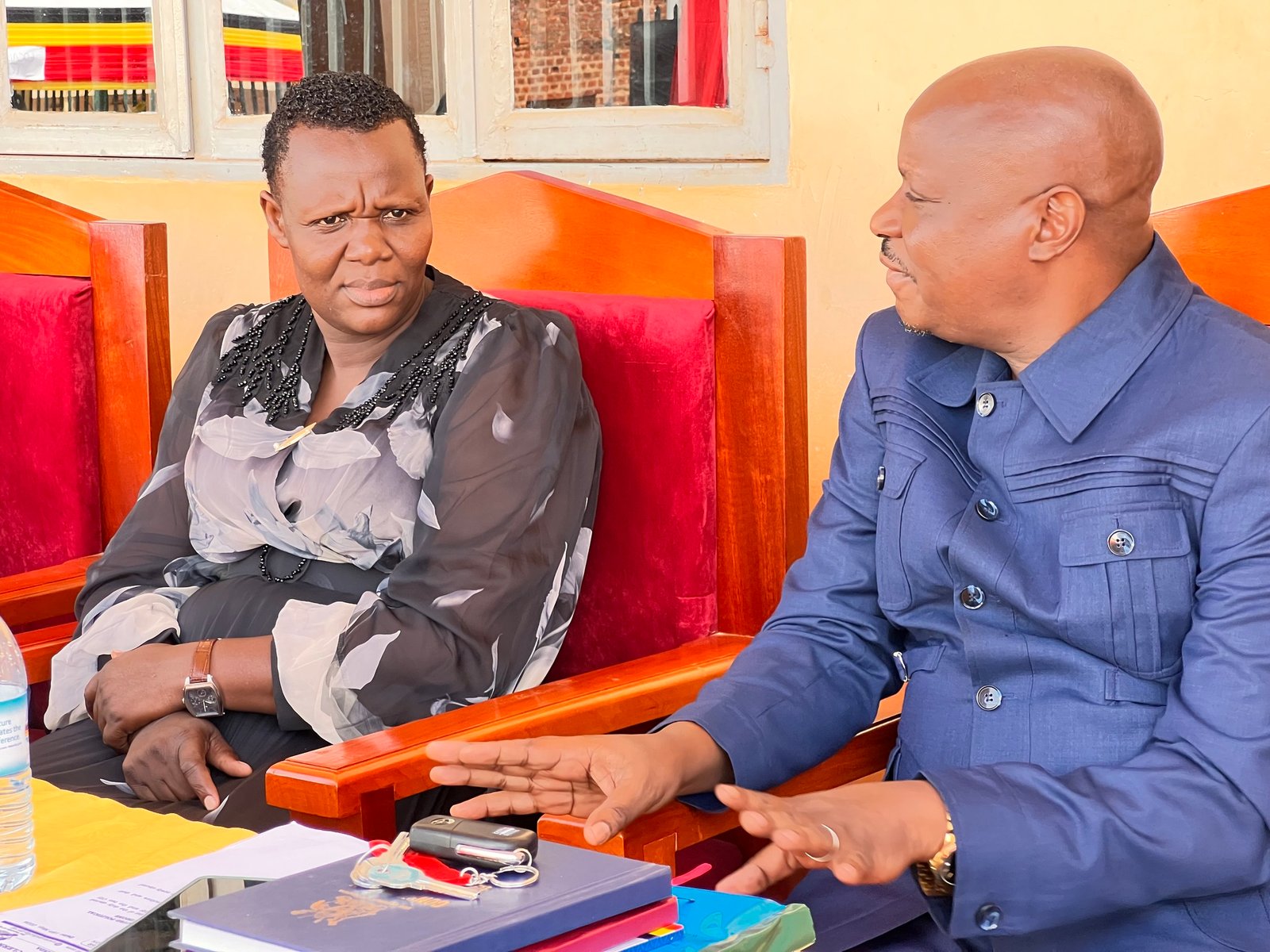
Just days after taking office and vowing to make security her top priority, Laroo-Pece Division Mayor HW Aber Gifter has confirmed that a high-level joint security meeting has already taken place, with concrete action plans now being implemented on the ground.
In an update issued this Saturday, the newly sworn-in mayor told residents that she had successfully convened a meeting with the relevant security organs, during which practical strategies were agreed upon to tackle the wave of criminal activity that has gripped Gulu City in recent weeks.
While the mayor declined to disclose the specific details of the measures being put in place, citing security and operational sensitivities, she was firm in her assurance to the public.
“Concrete measures are already being implemented, and all stakeholders remain committed to restoring peace and safety in our communities,” she stated.
Moving beyond the security apparatus, Mayor Aber Gifter is taking her campaign for safety to the community level. She announced that on Tuesday she will meet with all LC1 Chairpersons across the division; the frontline leaders closest to ordinary residents to strengthen coordination, address challenges facing local leaders, and ensure more effective service delivery at the grassroots.
The move signals an understanding that lasting security cannot rest on enforcement alone, but must be rooted in community trust and local leadership.
The Tuesday meeting will not be limited to security matters. Mayor Aber Gifter revealed that the ongoing Ebola disease threat will also feature prominently on the agenda, with leaders to be urged to reinforce adherence to Standard Operating Procedures and intensify community sensitisation in their respective areas.
“We must all play our part in protecting our families and neighborhoods,” she said, underscoring that public health and public safety are equally pressing concerns for her administration.
In what may be among the most practical appeals in her statement, the mayor called on residents to actively cooperate with security personnel conducting operations, whether by day or by night. She urged residents who are approached by security forces to calmly identify themselves, explain their movements, and comply with lawful instructions.
“Security personnel are working to protect our communities, and law-abiding citizens have nothing to fear,” she said. “Such cooperation will help security agencies distinguish genuine residents from criminals and suspicious individuals.”
The appeal reflects the reality that effective policing in an urban environment like Gulu City depends heavily on the trust and participation of the very communities being protected.
Six days into her tenure, Mayor Aber Gifter appears to be moving at the pace she promised. The security meeting has been held. Grassroots consultations are scheduled. And a health threat is being woven into the broader conversation about community welfare, a sign that her administration is thinking holistically about the challenges facing Laroo-Pece residents.
Observers and residents alike will now be watching to see whether the action plans agreed upon in the security meeting translate into a visible and measurable reduction in crime in the days and weeks ahead.
“Together, we shall build a safer Laroo-Pece and a stronger Gulu City,” the mayor concluded; words that will be tested, and remembered, by the people she serves.
Statement issued by HW Aber Gifter, Mayor, Laroo-Pece Division, Gulu City. Saturday, 30 May 2026.
Politics
How Ministerial Changes Shape MDAs and Their People in Uganda.
Uganda’s latest cabinet reshuffle is reshaping more than political leadership it is transforming the daily reality inside Ministries, Departments, and Agencies (MDAs). As new ministers introduce fresh priorities and leadership styles, civil servants, especially communications and marketing teams, face uncertainty, shifting policies, and mounting pressure to keep institutions stable during political transition.

Uganda is once again in the midst of a significant political transition. President Yoweri Museveni has executed a sweeping cabinet reshuffle, introducing major portfolio swaps, elevating fresh faces to key ministries, and retiring several long-serving ministers to advisory roles. As the dust settles on the new appointments, a quieter but equally significant question emerges; what does all this mean for the thousands of civil servants working within the Ministries, Departments, and Agencies, commonly known as MDAs, that these ministers now lead?
The formation of a new cabinet is both a constitutional practice and a political reset. It provides the President with an opportunity to retain, rotate, or replace ministers based on performance records and the broader strategic direction of government. But beyond the political theatre, each transition sets off a chain of consequences that reaches deep into the corridors of every affected institution.
The most immediate effect of a new minister arriving at an MDA is a realignment of policy priorities. Incoming ministers carry with them fresh mandates, political commitments, and personal priorities that may diverge significantly from those of their predecessors. Programmes that were once flagship initiatives can find themselves quietly sidelined, while new ones are championed in their place. Budget allocations shift to reflect the new leadership’s agenda, and strategic plans may be reviewed, restructured, or even discarded before they have had a chance to fully take root.
This is not unique to Uganda, but the challenge here is compounded by a documented weakness in coordination. Research on policy implementation in Uganda has consistently found that lack of coordination both within and between MDAs is one of the most significant obstacles to effective governance. A ministerial transition inevitably disrupts the delicate threads of institutional coordination that have been carefully woven over time, and rebuilding them takes months and sometimes years.
While the Permanent Secretary and core technical staff enjoy protections as civil servants and cannot be arbitrarily removed, the arrival of a new minister still generates considerable anxiety across the workforce. New ministers typically arrive with personal political teams be it advisors, press secretaries, and confidants, who begin to reshape the internal culture and power dynamics of the institution. Technical officers who built their careers under a previous minister’s priorities may suddenly find their skills and programmes deprioritised, their promotions stalled, and their institutional influence diminished.
This is further complicated by Uganda’s ongoing public service reforms. Under the Rationalization of Government Agencies and Public Expenditure, known as RAPEX, the government has been pursuing aggressive structural streamlining across MDAs. This includes the elimination of director-level positions, the abolition of roles such as Commissioner of Policy and Commissioner of Planning, and the consolidation of finance, human resources, planning, and procurement functions under single administrative departments. A new minister may choose to accelerate these reforms, pause them, or take them in an entirely different direction leaving staff in a state of prolonged uncertainty about their roles and futures.
Historically, Uganda’s public service has struggled with inefficiencies including inaccurate personnel data, ghost workers, delays in recruitment and promotions, poor workforce planning, and limited transparency. These systemic weaknesses tend to be exacerbated during leadership transitions, when decision-making slows down and institutional attention turns inward. Staff morale dips, planned training programmes are disrupted or defunded, and the organisation temporarily loses its sense of forward momentum.
If there is one group of employees within any MDA that feels the effects of a ministerial change most acutely and immediately, it is the marketing and communications team. Whether they carry the title of Public Relations Officer, Communications Officer, or Marketing Specialist particularly in agencies, these professionals sit at the precise intersection of political will and public engagement.
The moment a new minister takes office, the institutional narrative must change. Ongoing campaigns, carefully developed messaging frameworks, and approved communication strategies may be suspended overnight as the new minister seeks to define their own public identity and the MDA’s direction on their own terms. Marketing staff are then tasked with rapidly redesigning materials, updating digital platforms, and pivoting the organisation’s public voice often under intense time pressure and without adequate briefing.
Events and public engagements are equally disrupted. Communications teams manage the minister’s launches, press conferences, and stakeholder engagements. A change in leadership means rebuilding the minister’s public profile from scratch: new official photographs, revised biographies, updated social media presence, and entirely new speech templates. This is time-consuming, demanding work that falls squarely on marketing staff who may have little notice and even less guidance.
The reputational stakes are also high. Marketing and communications professionals serve as the public face of the institution, managing its relationships with media houses, development partners, civil society, and the general public. Confusion or inconsistency in public messaging during a transition can damage an MDA’s credibility, erode stakeholder trust, and undermine the very policy goals the new minister is trying to advance.
There is also the matter of budget. New ministers, eager to signal visible impact early in their tenure, often make ad hoc demands on marketing budgets, commissioning new publications, ordering roadshows, or directing media buys without adequate planning cycles or procurement processes. This places communications teams under extraordinary operational pressure, forcing them to deliver at pace while simultaneously navigating new and unfamiliar leadership expectations.
Perhaps most damaging in the long run is the erosion of institutional memory. When a minister arrives with their own communications advisors who bypass or sideline the existing marketing team, the organisation loses not just morale but the accumulated expertise of professionals who understood the institution’s history, its stakeholders, and its communication landscape. That knowledge, once lost, is extraordinarily difficult to rebuild.
It is worth acknowledging that Uganda’s public service framework does provide some structural continuity through transitions. The Ministry of Public Service is mandated to develop and administer HR policies, management systems, and structures designed to sustain a motivated and capable workforce across all MDAs, regardless of political change. Technical guidance, capacity building, and HR policy support continue to flow to MDAs from the centre, providing a baseline of institutional stability even when ministerial leadership is in flux.
The Permanent Secretary remains the administrative anchor of the MDA, responsible for continuity of operations and day-to-day management. And civil service protections, however imperfectly enforced, do offer a degree of security to career public servants who might otherwise be swept out with every political tide.
Ministerial reshuffles are a natural and necessary part of democratic governance. They renew political mandates, inject fresh energy into institutions, and hold leaders accountable through the discipline of rotation. But they carry real costs for the people who work within affected MDAs, and those costs are not evenly distributed. Marketing and communications employees, by virtue of their proximity to political leadership and their role as the public face of the institution, bear a disproportionate share of the disruption. Understanding this is not merely an academic exercise, it is essential for any government serious about maintaining institutional effectiveness, public trust, and staff wellbeing through the inevitable turbulence of political transition.


What Uganda’s Maize Story Tells Us About Future Opportunities

Uganda Launches Evacuation of Nationals from South Africa Amid Rising Xenophobic Violence

Otto von Bismarck, The Marketing Genius Who Built an Empire and Hastened His Own Downfall


-

 Entertainment2 years ago
Museveni’s 2025 Copyright for Musicians breakdown
-

 Sports1 year ago
The Transformative Impact of World Cup Qualification for Uganda
-

 Business2 years ago
The 9 worst mistakes you can ever make at work
-
 Policies2 years ago
Breakdown of the Uganda Police Force Annual Crime Report 2024
-

 Business2 years ago
Uganda’s Ministry of Finance projects significant growth opportunities in 2025
-

 Entertainment2 years ago
Uganda Cracksdown On Vulgar Music Content | Gloria Bugie, Shakira Shakira, targeted
-

 Policies2 years ago
Is Uganda’s Shs10m Fine the WORST Thing for Cohabiting Couples?
-

 Health2 years ago
Breaking down the Malaria Vaccine Rollout in Uganda