
Food
The Unsung Heroes of Ugandan Nutrition, Culture, and Resilience “Beans!!”
Beans are a dietary cornerstone in Uganda, delivering crucial nutrients that help combat malnutrition and support health across all age groups


In Uganda, beans are more than just a humble legume; they are a vital part of everyday life. From bustling urban markets to remote rural homes, beans sustain millions, providing essential nutrition, economic opportunities, and environmental benefits. As a daily staple often paired with posho (maize flour or bread) in schools, homes, and refugee camps, they symbolize affordability and resilience.
Beans are a dietary cornerstone in Uganda, delivering crucial nutrients that help combat malnutrition and support health across all age groups. We can all admit that meat is often a luxury, beans serve as a primary source of protein, contributing approximately 25% of total calorie intake and 45% of dietary protein. For example, a cup of cooked soybeans provides nearly 30 grams of protein, while common varieties like black and kidney beans offer 14-15 grams which is essential for muscle growth, repair, and energy in a population that relies predominantly on plant-based diets.
In addition to protein, beans are high in dietary fiber which carries up to 16 grams per cup in split peas or lentils thus promoting digestive health, regulating blood sugar levels, and helping to control hunger. This is particularly valuable in Uganda, where dietary diversity can be limited, especially in rural areas. Beans are also packed with micronutrients such as iron, folate, magnesium, potassium, and zinc, making them an important defense against widespread deficiencies. Biofortified “super beans,” developed locally, address iron deficiency, which affects 70% of Ugandan children under five, enhancing energy levels, cognitive function, and immunity.
Moreover, beans contain antioxidants like polyphenols and flavonoids, which combat free radicals and reduce the risk of chronic diseases such as heart disease, diabetes, and cancer. Low in fat and free of cholesterol, beans provide a heart-healthy alternative to animal proteins, while their fiber and nutrient content help lower cholesterol and stabilize glucose levels. This is essential for countering the rising prevalence of lifestyle-related diseases in urban Uganda.
Beans are intricately woven into the fabric of Ugandan food culture. Whether stewed with spices or served alongside posho in schools and prisons, they are consumed daily by millions. Their versatility shines through various regional dishes ie. bush beans thrive in Masaka and Mukono, while climbing varieties flourish in the cooler highlands of Kabale and Kisoro. With prices ranging from 4,000 to 5000 Ugandan shillings per kilogram. Beans represent a lifeline for both rural farmers and urban residents, bridging economic divides through their affordability.
For vulnerable groups, beans are indispensable. In refugee camps housing over 1.4 million people, mostly from South Sudan, “super beans” enhance feeding programs while allocated farmland promotes self-sufficiency. In schools, the traditional meal of “posho and beans” supports learning and growth, with biofortified varieties reaching millions through initiatives like Feed the Future. Currently, 5.5 million Ugandans consume vitamin A-rich sweet potatoes, and 4 million benefit from iron-rich beans.
Beans are more than just a source of sustenance; they are also a source of income for many. In 2010, Uganda was the second-largest bean producer in East Africa, with an annual yield of 455,000 metric tons. Farmers have successfully increased their yields from 2.5 to 6 sacks per season with expert guidance, transforming beans into a cash crop that improves household livelihoods. The emergence of precooked bean products such as snacks, flour, and quick-cook varieties has created new markets, benefiting farmers, transporters, and processors, especially women.
Enter the “super beans,” specifically the Namulonge Beans (NABE), developed by Uganda’s National Crops Resources Research Institute. These biofortified, fast-growing, drought-tolerant, and disease-resistant varieties produce up to 2,000 kg per hectare which is four times the yield of traditional beans helping secure food supplies amidst climate change and population growth. They are popular locally and are also traded regionally to South Sudan, gaining attention from the United Nations for use in refugee nutrition programs.
Beans also play a vital role in improving soil health. As legumes, they fix nitrogen in the soil, enhancing fertility and supporting sustainable farming practices. A significant advantage for Uganda’s smallholder farmers who employ crop rotation.
The bean economy particularly empowers women, who are primarily responsible for planting, harvesting, and sorting beans. Projects involving precooked beans have increased female farmers’ incomes by 28% and reduced cooking times from 120 to 60 minutes, which lessens the time spent collecting firewood and water. This change allows women to focus on education, entrepreneurship, or rest, thereby amplifying their roles in society.
Environmentally, beans are advantageous. With a lower carbon footprint compared to animal proteins, they require less water and produce fewer emissions, aligning with global sustainability goals such as the U.N.’s “Beans Is How” campaign. By relying on beans, Ugandans contribute to a healthier planet.
However, beans do come with challenges. Traditional varieties can take 6-8 hours to cook, straining fuel resources (often Charcoal) and consuming women’s time. While precooked options that take only 15 minutes to prepare could be transformative, they are not yet widely available. Additionally, the high fiber content of beans can cause digestive discomfort if introduced too quickly, but this can be managed by soaking and boiling them properly. Overcooking beans can lead to nutrient loss, but consuming them with their broth or choosing faster-cooking varieties helps retain their nutritional value.
Consumer preferences also shape the bean market. Ugandans highly value taste, cooking time, volume (more servings per cooking), and color. Urban consumers are willing to pay an extra 41-53 shillings for beans that cook within 60-90 minutes, highlighting the demand for convenience as lifestyles evolve.
Beans are Uganda’s unsung heroes; Nutritious, affordable, and resilient. They combat hunger and disease, empower communities, and support environmental sustainability. From the “super beans” feeding refugees to the everyday stews nourishing families, beans address complex challenges in a simple manner. As Uganda continues to grow, beans will remain a steadfast ally, proving that sometimes the smallest seeds yield the greatest hope.

Agriculture
A restriction on smallholder maize would trade food security for a cash-crop bet Uganda has already lost once
A restriction on smallholder maize is not intensification. It is prohibition.Most Ugandan farms are already under four acres. A legal line at that size covers the people who grow the staple, not a fringe of inefficient plots.
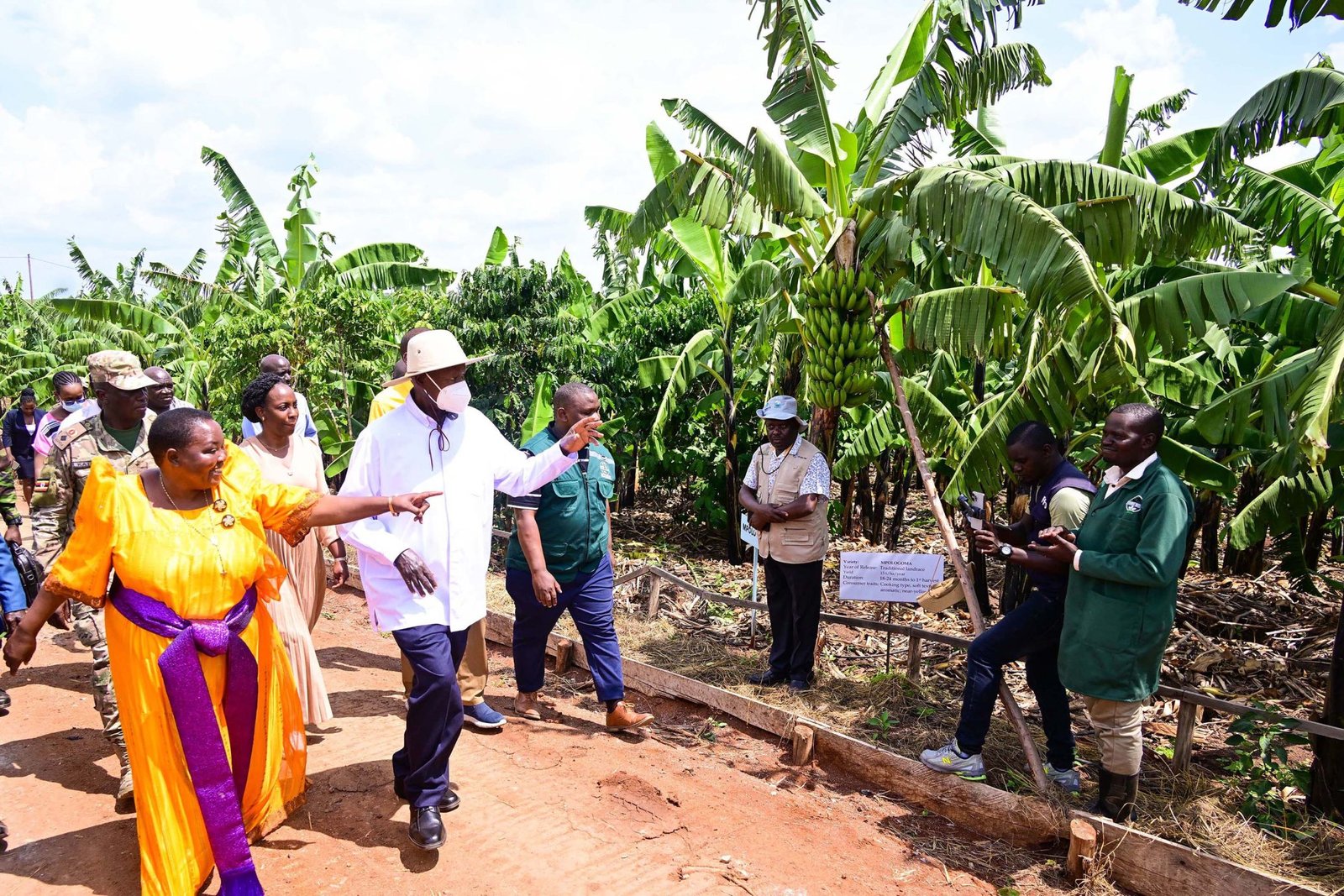
Prime Minister Robinah Nabbanja states that President Museveni has directed her to draft legislation that would prohibit farmers with less than four acres from growing maize, sugarcane, tobacco, and cotton. Instead, smallholders would be encouraged to focus on coffee, poultry, piggery, dairy, and fruit cultivation, which are considered high-value crops at the core of the Four-Acre Model. The aim of this policy is to maximize returns from limited land. However, there is a concern that such a restriction may reduce the cultivation of maize, which is a staple crop for many farming households, especially during times of drought, rising food prices, and increasing regional demand for grain. This is not merely a debate about agricultural intensification; it centers on the issue of prohibition.
Maize is already recognized as the main temporary crop in Uganda. According to the Uganda Bureau of Statistics (UBOS) 2019 Agricultural Survey; the last comprehensive survey detailing crop production to maize was the most cultivated temporary crop, grown by 69 percent of agricultural households. In that season, Uganda produced 2.8 million metric tonnes of maize, a decrease from 3.4 million tonnes in 2018. The regions leading in production included Buganda North with 710,000 tonnes, followed by Bunyoro at 561,000, and Buganda South at 266,000. Of the total harvested, 63.4 percent was sold raw while 27.4 percent was retained for household consumption. Over the past decade, households have increasingly shifted towards growing cassava, maize, and bananas while moving away from millet and beans. Maize is not a secondary crop; it is a core staple for many households and a primary source of income.
It is estimated that around 90 percent of Uganda’s maize is produced by smallholders, a figure often cited in agricultural research and value-chain reports, including those from Wageningen University and CIMMYT-related maize studies. However, this figure is not published by UBOS itself. While UBOS does report who grows maize, how much is produced, and its uses, it does not break down national production into smallholder versus estate contributions. Research literature that uses the 90 percent figure typically characterizes production as being led by households cultivating less than two hectares, growing maize primarily for food and income. Some reports mention millions of households growing maize, with varying cultivation rates depending on the survey and year. What remains consistent is the structure of production: commercial estates are in the minority, and small farms make up the majority.
A ban on maize cultivation for smallholders would not be a minor adjustment. The average Ugandan farm size is already around 1.2 to 1.5 hectares, with many households farming less than one hectare. Reports from Kilimo Trust and other value-chain work indicate that maize plots are commonly under two hectares. Therefore, a legal limit of four acres would encompass most of those who currently grow maize.
The Four-Acre Model allocates one acre for food crops, but enacting a law that prohibits maize cultivation on smaller plots contradicts this framework. While coffee, fruit, and livestock can provide cash income, they do not replace staple foods like posho (maize flour), which is essential for household meals, including school lunches and the feed necessary for poultry and pigs. Both UBOS’s figure of 27.4 percent of maize used for household consumption and research estimates suggesting even higher figures highlight that a significant portion of the harvested maize remains within the household food system.
Maize yields in Uganda are low, presenting an argument for increased investment rather than a ban on cultivation. National average maize yields hover around 2.2 tonnes per hectare; approximately 900 kilograms per acre while well-managed conditions can yield between 6 and 8 tonnes, and sometimes higher in controlled research settings. Subsistence plots typically yield between 700 and 1,000 kilograms per acre, whereas high-input plots can reach 1,800 to 2,200 kilograms. The drop in national production from 3.4 million tonnes to 2.8 million tonnes between 2018 and 2019 already highlighted how sensitive output is to weather and input availability.
The yield gap is well-documented, caused by factors such as the use of recycled and informal seeds, low fertilizer application compared to other African countries, reliance on rain-fed production, pests, and climate-related shocks. Flooding can lead to yield losses of nearly 18 percent, while drought can cause a decline of about 10 percent. Projections indicate further national declines of approximately 10 to 12 percent by 2030 if current seed varieties remain unchanged. In northern districts like Lamwo and Pader, extended dry spells in 2024 disrupted flowering and led to poor harvests, prompting local agricultural officials to advise farmers to diversify their crops, as cereals suffered significant losses. This situation calls for the adoption of drought-resistant seeds, improved water management, and assessment of flood risks, rather than a ban on maize cultivation for the farms that still produce the majority of it.
These facts do not indicate that growing maize is unfeasible on plots smaller than four acres; rather, they reveal that public policy has consistently under-invested in this staple crop. Combining improved seeds with better fertilizer application has been linked to substantial yield gains on existing small plots. Advanced hybrid varieties could potentially double yields under current climatic conditions according to modeling studies. Relying solely on a smaller number of large-scale farms to increase maize production assumes that such units will emerge, remain involved in maize production, and sell at competitive prices in domestic markets. This is more of a hope than a concrete plan.
The story of Uganda’s vanilla market serves as a warning, not a peripheral issue. The country has experienced the consequences of shifting smallholders towards high-value export crops, as was seen in Madagascar in the late 1990s.


Before You Write Off Uganda, Ask What You Have Contributed

Standard Chartered Uganda Retail Banking Migration to Absa Set for November 2026

A restriction on smallholder maize would trade food security for a cash-crop bet Uganda has already lost once


-

 Entertainment2 years ago
Museveni’s 2025 Copyright for Musicians breakdown
-

 Sports2 years ago
The Transformative Impact of World Cup Qualification for Uganda
-

 Business2 years ago
The 9 worst mistakes you can ever make at work
-

 Policies2 years ago
Breakdown of the Uganda Police Force Annual Crime Report 2024
-
 Business2 years ago
Uganda’s Ministry of Finance projects significant growth opportunities in 2025
-

 Policies2 years ago
Is Uganda’s Shs10m Fine the WORST Thing for Cohabiting Couples?
-

 Entertainment2 years ago
Uganda Cracksdown On Vulgar Music Content | Gloria Bugie, Shakira Shakira, targeted
-

 Health2 years ago
Breaking down the Malaria Vaccine Rollout in Uganda