
Blog
A Growing Ebola Threat in Uganda and How to Stay Safe
On January 29, 2025, Uganda’s Ministry of Health declared an outbreak of Sudan virus disease (SVD), a deadly strain of Ebola. This marked the country’s eighth encounter with this hemorrhagic fever since 2000.

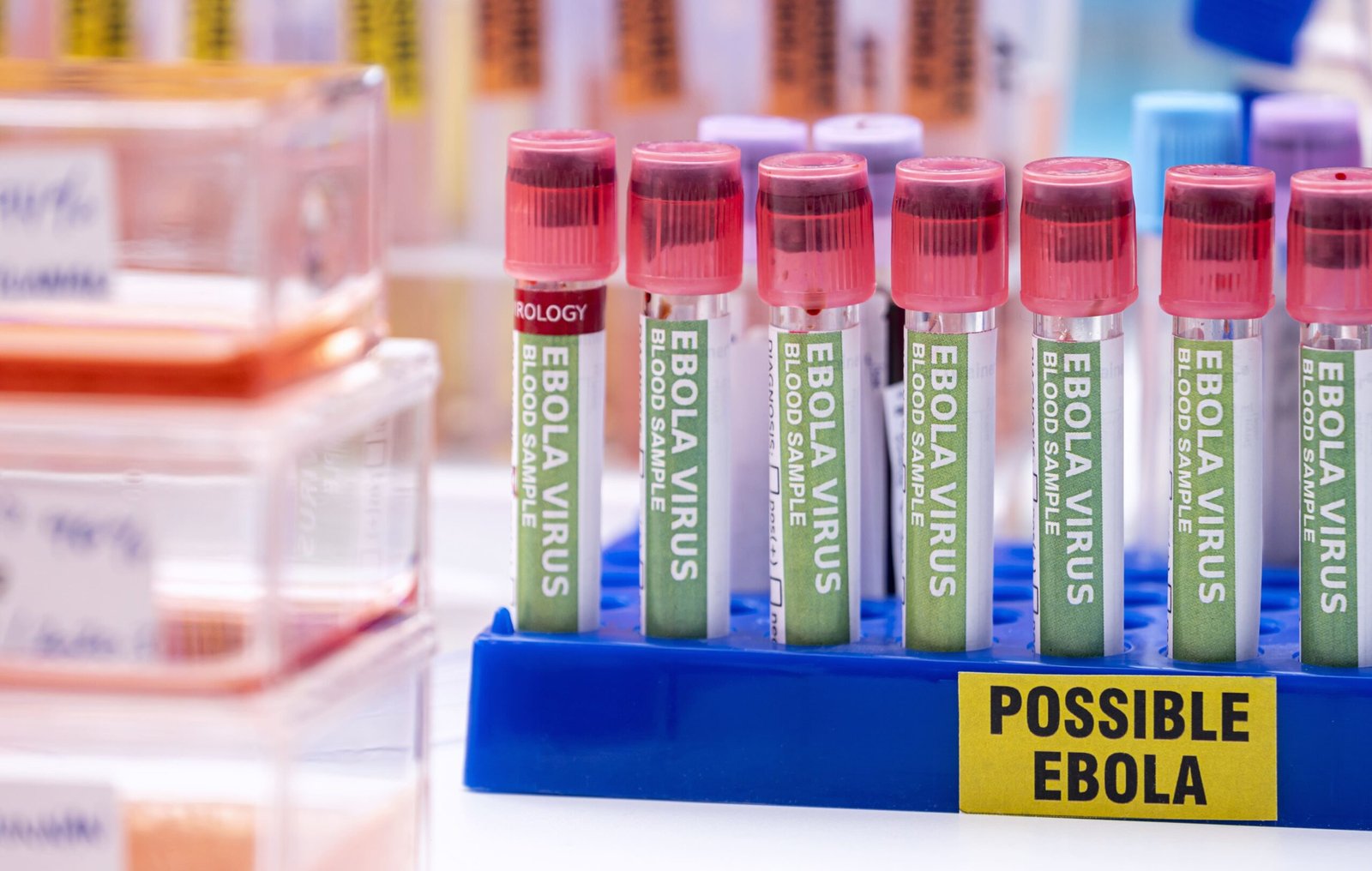
On January 29, 2025, Uganda’s Ministry of Health declared an outbreak of Sudan virus disease (SVD), a deadly strain of Ebola. This marked the country’s eighth encounter with this hemorrhagic fever since 2000. The outbreak began in Kampala, the bustling capital, when a 32-year-old male nurse died from the virus at Mulago National Referral Hospital. His death raised alarm bells because he sought treatment across multiple districts like Kampala, Wakiso, and Mbale. He even consulted a traditional healer, potentially spreading the virus before it was identified. As of March 18, 2025, the outbreak has caused multiple fatalities and tested Uganda’s resilience, but there are glimmers of hope amid the international response.
By March 5, 2025, the World Health Organization (WHO) reported 14 cases, 12 confirmed and 2 probable spanning six districts: Kampala, Jinja, Kyegegwa, Mbale, Ntoroko, and Wakiso. Four deaths have occurred, yielding a case fatality rate of 29%, which is lower than the historical average of 41% to 70% for the Sudan strain. The victims range from a 1.5-year-old child to a 55-year-old adult, with a mean age of 27 and a slight male majority (55%). A notable cluster of cases emerged in late February when a child under 5 died at Mulago Hospital, linking to additional infections.
The outbreak remains tied to a single transmission chain, with no spread beyond Uganda’s borders. As of March 17, there were no patients in care, and no new cases had been confirmed since March 2 raising cautious optimism that the worst may be over. If no further cases emerge, the outbreak could be declared over by mid-April, 42 days after the last exposure.
Uganda’s response has been prompt, utilizing experiences from its 2022 Ebola outbreak, which ended in January 2023 after 164 cases and 77 deaths. Within four days of the 2025 outbreak’s declaration, WHO and partners initiated a groundbreaking vaccine trial on February 3, utilizing a candidate from IAVI. This ring vaccination strategy targets high-risk contacts, marking a first in testing efficacy against Sudan virus disease during an outbreak. Experimental treatments, including a monoclonal antibody and remdesivir, are also undergoing clinical trials. By March 5, 192 new contacts were under surveillance, while 299 had completed a 21-day monitoring period.
International support has been critical. WHO allocated $3 million from its Contingency Fund for Emergencies, and Sweden contributed approximately $2 million (7.3–7.5 billion Ugandan shillings) to bolster Uganda’s efforts, likely aiding vaccine and containment initiatives. However, challenges persist. The absence of an approved vaccine or treatment for Sudan virus disease, combined with reported cuts in U.S. foreign aid under the Trump administration, has strained resources, according to U.S. officials on March 7.
Ebola spreads through direct contact with bodily fluids ie.blood, saliva, sweat, or vomit from an infected person or via contaminated surfaces. While Uganda’s outbreak is localized, understanding prevention is vital, especially in affected areas or for travelers. Here’s how to stay safe:
- Practice Good Hygiene: Wash hands frequently with soap and water or use an alcohol-based sanitizer. Avoid touching your face, especially your mouth, nose, and eyes.
- Avoid Contact with Sick Individuals: Stay away from anyone showing symptoms like fever, vomiting, diarrhea, or bleeding. Ebola is most contagious when symptoms are severe.
- Handle Animals with Care: Ebola can originate from wildlife such as bats or monkeys. Avoid handling bushmeat or wild animals, especially if they are sick or dead.
- Use Protective Gear: Healthcare workers and caregivers should wear gloves, masks, and gowns when near patients. Properly dispose of contaminated materials.
- Stay Informed: Follow updates from Uganda’s Ministry of Health or WHO. Avoid rumors and rely on verified sources.
- Seek Medical Help Early: If you experience fever, fatigue, muscle pain, or bleeding after potential exposure, isolate yourself and contact a health facility immediately.
Community education and contact tracing are crucial to Uganda’s strategy, emphasizing the importance of reporting symptoms and avoiding traditional practices like touching the deceased during burials, which have fueled past outbreaks.
The Ebola outbreak in Uganda in 2025 highlights both the danger of emerging diseases and the power of coordinated action. The vaccine trial offers hope for a future tool against Sudan virus disease, while Sweden’s aid and WHO’s leadership demonstrate global solidarity. For Ugandans in affected districts, vigilance remains essential. Washing hands, avoiding risks, and heeding health advisories could be the difference between containment and catastrophe. As the world watches, Uganda’s efforts may shape how we tackle Ebola for years to come.


Business
What Uganda’s Maize Story Tells Us About Future Opportunities
Maize is at the heart of Uganda’s farms, feeding families and generating livelihoods. With 69% of agricultural households growing it and 2.8 million metric tonnes produced, the numbers reveal a crop with enormous importance and opportunity.

If you ask any Ugandan farmer what they cultivate, there’s a high likelihood they’ll say maize. According to the Uganda Bureau of Statistics (UBOS), maize is the most widely grown crop in the country, cultivated by 69% of all agricultural households. It is more than just a crop; it represents a national habit, a source of livelihood, and a daily meal for millions of families.
In a recent agricultural season reported by UBOS, Ugandan farmers produced 2.8 million metric tonnes of maize. This output is not trivial; it reflects the hard work of hundreds of thousands of smallholder farmers across the country, from the central region to the west, who plant, tend to, and harvest this grain season after season.
The regions that excel in maize production tell an important story. Buganda North leads the country with 710,000 metric tonnes produced in that season, followed by Bunyoro with 561,000 metric tonnes and Buganda South with 266,000 metric tonnes. Together, these regions contribute well over a million tonnes of maize annually, highlighting the concentration of agricultural effort that has made maize the backbone of Uganda’s crop economy.
What happens to Uganda’s maize after it’s harvested is as significant as the quantity produced. UBOS data indicates that over 63% of the maize is sold in its raw, unprocessed form directly from farms to markets. Meanwhile, approximately 27.4% is retained by the households that grow it, providing food for their own families.
This distribution underscores maize’s dual role in Uganda: it serves both as a source of income and a safety net for food security. For many rural households, the same sack of maize sold at the local market this week might have fed the family just last month.
Maize’s rise has not occurred in a vacuum. Over the past decade, UBOS survey data shows a clear trend in Ugandan agriculture: households are shifting away from crops such as millet and beans and increasingly favoring maize, cassava, and bananas. Whether influenced by changing preferences, improved market access for maize, or consistent performance in various seasons, this trend toward maize has been steady.
We are closely studying this national picture. While we have not yet broken ground, we are in the early stages of deliberately planning the foundation for a farm that will be launched in the coming years. The data underscores why maize is central to our plan: it is the crop that Ugandan households already trust, grow, and rely on for both income and food security.
Starting a farm from scratch requires us to understand the market as it currently exists, not as we envision it. This means listening to what the data reveals about how Ugandan farmers grow, sell, and consume maize, which will inform the type of farm we aspire to create.
The seven out of ten farming households that already grow maize in Uganda are more than just a statistic; they are the community we are preparing to join.
Source: Uganda Bureau of Statistics (UBOS), 2019 Agricultural Survey; the most recent UBOS release with this level of crop-specific detail.
Politics
Uganda Launches Evacuation of Nationals from South Africa Amid Rising Xenophobic Violence
Following rising xenophobic attacks, Uganda has launched an urgent evacuation of its nationals from South Africa. 746 citizens have already registered as President Museveni orders special flights home.
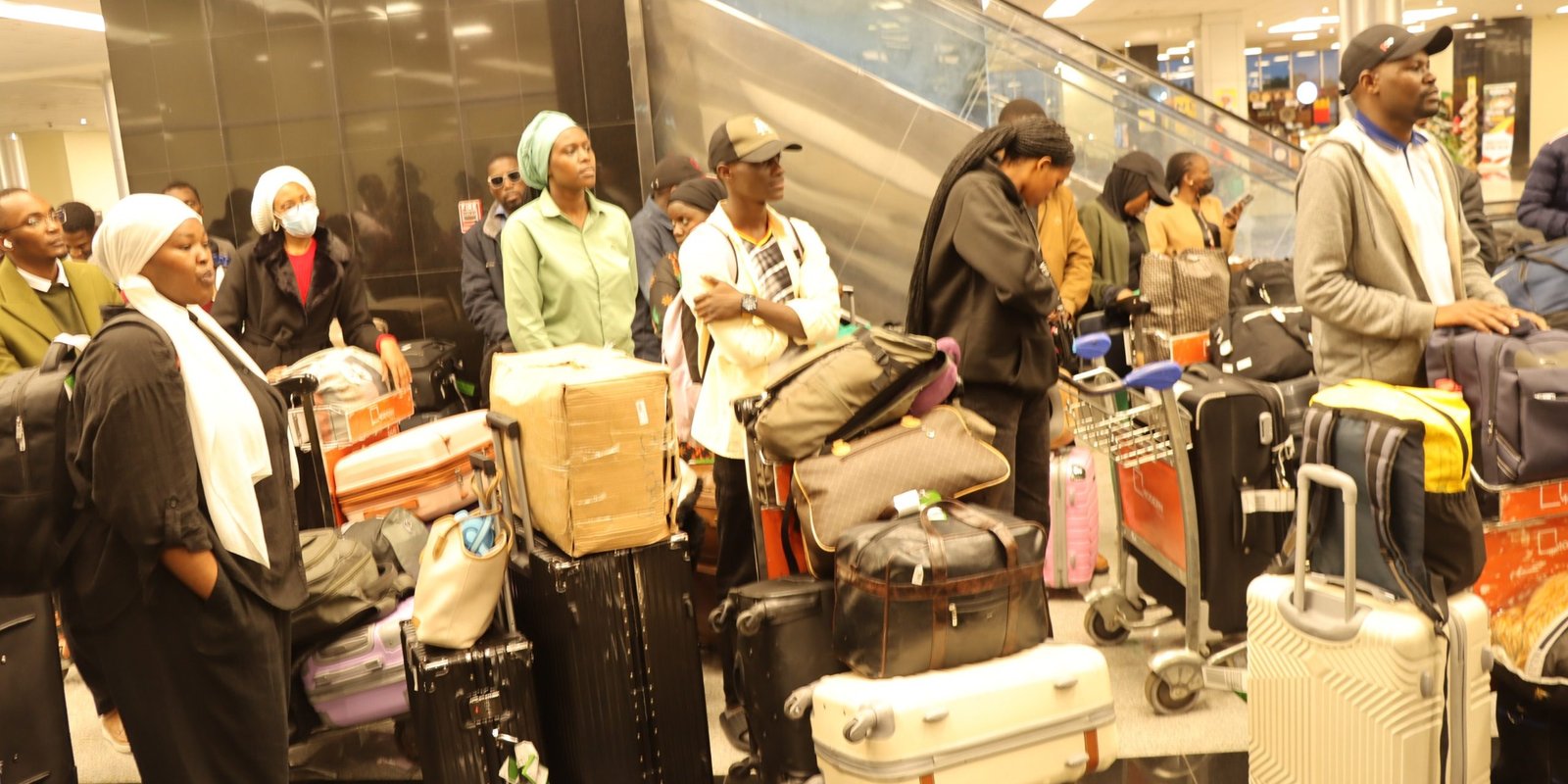
President Yoweri Kaguta Museveni has directed the Ministry of Foreign Affairs, in coordination with several other government bodies, to finalize and implement the evacuation operation, which is expected to begin in the coming days.
According to a press statement issued by the Ministry today, 746 Ugandans have already voluntarily registered for assisted evacuation due to serious safety and security concerns. Many more are expected to register, while numerous others have already left South Africa independently after vigilante groups reportedly issued a deadline of 30 June 2026.
The evacuation plan includes registering affected nationals across South African provinces, transferring them to safe assembly points, issuing emergency travel documents where needed, and coordinating with immigration authorities. In partnership with the Ministry of Works and Transport, the government has arranged for Uganda Airlines to operate special charter flights, which will be fully funded by the Ugandan government.
The statement also noted that other African countries have similarly evacuated their nationals from South Africa in response to the current situation. Uganda continues to engage directly with the South African government to ensure the safety of the remaining Ugandan nationals.
In a somber development, the government confirmed that one Ugandan national was killed in an attack in KwaZulu-Natal Province. Preparations are underway to repatriate the body to Uganda, and the Acting Minister of Foreign Affairs has extended heartfelt condolences to the bereaved family.
Hon. Haruna Kyeyune Kasolo, Acting Minister of Foreign Affairs, signed the official statement, which emphasized the government’s commitment to the safety of its citizens abroad.
This marks a significant repatriation effort amid ongoing tensions in South Africa, where foreign nationals have faced repeated waves of xenophobic attacks in recent years.

Otto von Bismarck, known as the Iron Chancellor, was one of the most effective political marketers in modern history. Long before the invention of public relations firms, spin doctors, or social media, he demonstrated a masterful command of narrative control, strategic communication, and personal branding. Through calculated leaks, emotional appeals to nationalism, and a carefully crafted public image, Bismarck unified Germany in 1871. However, the very marketing strategies that propelled him to greatness also played a subtle but significant role in his dramatic fall from power in 1890.
Bismarck operated in an era of emerging mass media and rising nationalism. He understood that wars and treaties alone would not suffice; he needed to shape public perception. His most famous act of media manipulation occurred in 1870 with the Ems Dispatch. After a relatively polite diplomatic exchange between King Wilhelm I of Prussia and the French ambassador, Bismarck edited the telegram to make it sound deliberately insulting to both sides. He then leaked this provocative version to the press, knowing it would act like a “red rag” to the French bull. The result was exactly as he intended: France declared war, Prussia won decisively, and the victory paved the way for the proclamation of the German Empire at Versailles.
Beyond this masterstroke, Bismarck built a powerful personal brand. He presented himself as the gruff, no-nonsense Junker aristocrat in military uniform with a cigar in hand, iron will intact. Portraits, statues, and favorable newspaper coverage reinforced the image of a larger-than-life unifier who stood above petty politics. This “Iron Chancellor” persona helped him maintain support among German nationalists, even when his policies such as the Kulturkampf against Catholics or the anti-socialist laws generated opposition.
He also proved adept at narrative framing. When facing domestic rivals, Bismarck positioned the Prussian-led state as the defender of German unity and stability. He combined repression with innovation, introducing early welfare programs to undercut socialist appeal while portraying himself as a pragmatic protector of the working class. In foreign policy, he carefully painted the new Germany as a “satiated power” that sought peace after unification, all while maintaining a complex web of alliances designed to isolate potential enemies.
For nearly three decades, this combination of realpolitik and sophisticated storytelling kept Bismarck firmly in control. He transformed fragmented German states into a major European power and built a lasting myth around his leadership. However, the same branding genius that contributed to his success ultimately led to his downfall. By making himself the indispensable hero of the Reich, Bismarck created a highly personalized system of governance with few institutional checks. His cult of personality left little room for a smooth transition of power.
When the young and ambitious Kaiser Wilhelm II ascended the throne in 1888, he quickly grew tired of living in the shadow of this towering figure. Wilhelm wanted to rule in his own right and pursue a more assertive “New Course” in foreign and domestic policy. Bismarck’s larger-than-life image, once an asset, became a liability, positioning him as a rival rather than a loyal servant. After months of growing tension over policy direction and ministerial authority, Wilhelm forced Bismarck’s resignation in March 1890. The man who had engineered Germany’s birth was unceremoniously pushed aside by the very monarch he had helped elevate.
In the years that followed, Bismarck leaned even harder into his public persona through memoirs and press interviews, reinforcing the narrative of the wise elder statesman betrayed by youthful impulsiveness. This final act of personal branding helped shape historical memory many later blamed Wilhelm II’s decisions for Germany’s 20th-century tragedies but it offered little consolation to the chancellor who had lost real power.
Bismarck’s story offers a timeless lesson in leadership and communication. Exceptional marketing and branding can achieve extraordinary results, forging nations and reshaping history. Yet when that branding becomes too closely tied to one individual and when institutions remain weak, it can lead to isolation and removal. The tools that build empires can also limit their builders’ longevity.
In today’s world of personal brands, thought leadership, and digital narratives, Bismarck remains a fascinating case study: proof that the art of influence is powerful, double-edged, and as relevant now as it was in the 19th century.


What Uganda’s Maize Story Tells Us About Future Opportunities

Uganda Launches Evacuation of Nationals from South Africa Amid Rising Xenophobic Violence

Otto von Bismarck, The Marketing Genius Who Built an Empire and Hastened His Own Downfall


-

 Entertainment2 years ago
Museveni’s 2025 Copyright for Musicians breakdown
-

 Sports1 year ago
The Transformative Impact of World Cup Qualification for Uganda
-

 Business2 years ago
The 9 worst mistakes you can ever make at work
-

 Policies2 years ago
Breakdown of the Uganda Police Force Annual Crime Report 2024
-
 Business2 years ago
Uganda’s Ministry of Finance projects significant growth opportunities in 2025
-

 Entertainment2 years ago
Uganda Cracksdown On Vulgar Music Content | Gloria Bugie, Shakira Shakira, targeted
-

 Policies2 years ago
Is Uganda’s Shs10m Fine the WORST Thing for Cohabiting Couples?
-

 Health2 years ago
Breaking down the Malaria Vaccine Rollout in Uganda