
Health
DEI Biopharma’s CRISPR Platform Promises Affordable, Universal Gene Therapy in fight against Sickle Cell Disease.
Ugandan biotech pioneer Dr. Matthias Magoola and DEI Biopharma have unveiled a game-changing CRISPR-based gene therapy platform for sickle cell disease. By targeting a universal genetic switch to reactivate fetal hemoglobin, this standardized approach promises affordable, scalable treatment for all patients; potentially the first “generic” gene therapy for a monogenic disease. A major step toward equitable access in Africa and beyond, especially as Uganda ramps up national SCD prevention efforts.

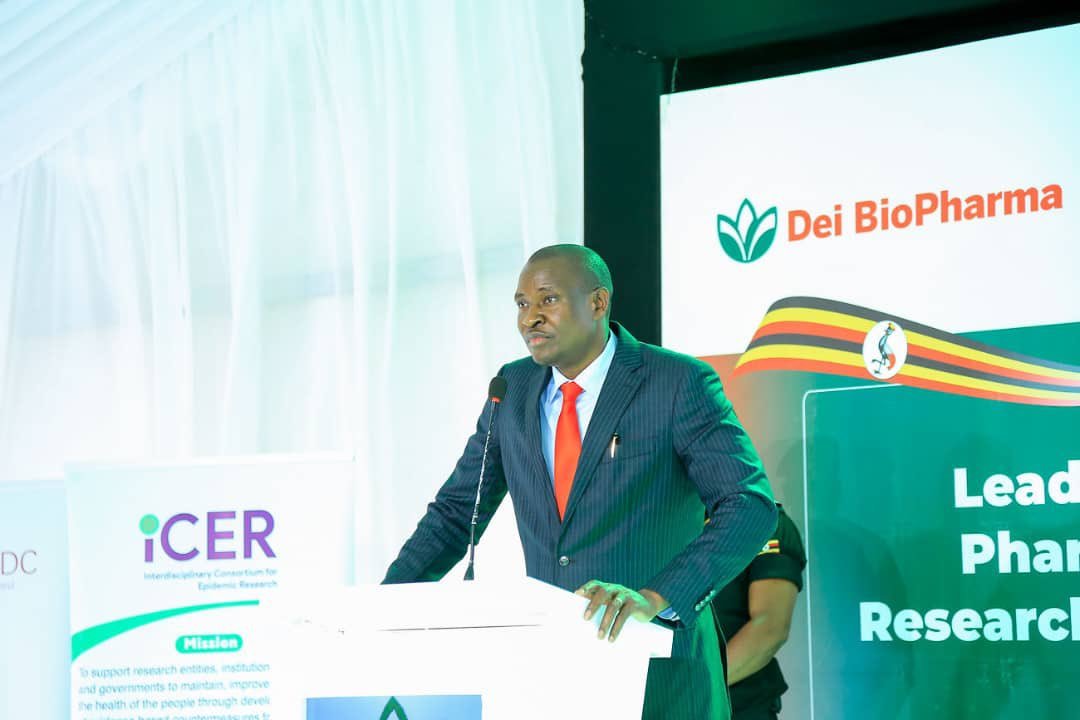
In a significant advancement for global health equity, DEI Biopharma, a Uganda-based biotechnology firm, has unveiled a pioneering CRISPR-based gene therapy platform for sickle cell disease (SCD). Invented by the company’s founder and CEO, Dr. Matthias Magoola, this innovative approach targets a universal genetic switch to reactivate fetal hemoglobin, offering a scalable and patient-independent solution that could transform access to curative treatments, particularly in resource-limited regions like sub-Saharan Africa.
Sickle cell disease, a genetic blood disorder affecting millions worldwide, disproportionately impacts populations in Africa, where over 75% of global cases occur. In Uganda alone, an estimated 20,000 children are born with SCD each year, with many not surviving past their fifth birthday due to limited access to screening, treatment, and management. Recent initiatives underscore the urgency: In October 2025, Uganda’s Health Minister, Dr. Jane Ruth Aceng, launched the National Sickle Cell Prevention and Management Scale-Up Programme in Lira City, highlighting the Lango region’s highest prevalence based on nationwide surveillance; the first of its kind in Africa. This effort included establishing a National Taskforce for SCD prevention, integrating services into non-communicable disease frameworks, and receiving donations like 20,000 newborn screening kits and hydroxyurea doses from international partners.
Compounding the challenge is the prevalence of the sickle cell trait (SCT), the carrier state that can pass the disease to offspring. A 2022 study among secondary school students in Kampala revealed that 5.8% carried SCT, yet knowledge levels were only moderate, with 60.4% of participants showing basic understanding of screening and inheritance. Attitudes toward testing were largely negative (67%), influenced by fears of stigma, pain, and relationship impacts. Only 1.5% had been previously tested, and factors like knowing a partner’s status or religious affiliation (e.g., Anglicans were twice as likely to screen) played key roles in uptake. The study emphasized the need for comprehensive health education targeting adolescents to boost screening and prevent new cases, aligning with Uganda’s push for institutionalized SCD services.
Against this backdrop, DEI Biopharma’s platform emerges as a game-changer, addressing not just the biological underpinnings of SCD but also the systemic barriers to equitable care.
Traditional gene therapies for SCD often focus on correcting the specific HBB gene mutation responsible for the sickle-shaped red blood cells that cause pain crises, organ damage, and reduced life expectancy. These methods require personalized designs or donor matching, driving up costs and limiting scalability, issues acutely felt in low- and middle-income countries where infrastructure for advanced treatments is scarce.
DEI Biopharma’s CRISPR platform shifts the paradigm by targeting a conserved enhancer of the BCL11A gene, a master regulator that suppresses fetal hemoglobin (HbF) production after birth. By editing this regulatory element, the therapy reactivates HbF, which inhibits the polymerization of sickle hemoglobin and ameliorates symptoms across all SCD genotypes, including HbSS, HbSC, and HbS/β-thalassemia. This “universal genetic switch” eliminates the need for mutation-specific interventions, allowing for a single, standardized product applicable to any patient.
“This invention was designed from the beginning to solve not only the biology of sickle cell disease, but also the access problem,” said Dr. Matthias Magoola. “By targeting a universal genetic switch rather than the sickle mutation itself, we can manufacture a single, standardized gene-editing product applicable to all patients. This opens the door to what we believe can become the first scalable, first-in-line generic gene therapy platform for a monogenic disease.”
Key advantages include:
- Patient Independence: The therapy edits a non-variable DNA sequence shared by all humans, bypassing the need for individualized guide RNAs or donor cells.
- Scalable Manufacturing: Standardized production and quality control reduce costs, supporting both ex vivo (cell-based) and in vivo (direct body) delivery methods.
- Broad Applicability: Effective regardless of the patient’s specific mutation, making it suitable for diverse populations.
This model draws parallels to generic drugs, where once regulatory exclusivities expire, the same composition can be produced at scale and distributed affordably. DEI Biopharma envisions this as a “new category of standardized, reproducible gene-editing therapeutics,” potentially democratizing access in regions like Uganda, where SCD surveillance and screening programs are expanding but curative options remain out of reach.
The platform is protected by a comprehensive patent covering CRISPR compositions, guide RNAs, delivery systems, and therapeutic methods. Preclinical work is underway, evaluating editing efficiency, HbF induction durability, and safety in biological models. DEI Biopharma plans strategic partnerships, regulatory engagements, and phased clinical trials adhering to international standards.
“Sickle cell disease disproportionately affects populations that have historically been last to benefit from medical innovation,” Magoola added. “Our objective is to change that equation by making advanced gene therapy manufacturable, distributable, and affordable at global scale.”
This breakthrough aligns with Uganda’s national efforts, such as the integration of SCD into health systems and calls for community mobilization. By enhancing HbF levels, the therapy could reduce disease severity, complementing preventive measures like newborn screening and genetic counseling. The Kampala study highlighted that while 85% of students wanted to know their status and 88.5% supported testing, barriers like cost and stigma persist; challenges that affordable, universal therapies could help overcome.
About DEI Biopharma
Founded by Dr. Matthias Magoola, DEI Biopharma is dedicated to high-impact, affordable therapies for unmet needs. With a focus on vaccines, biologics, and gene-based medicines, the company leverages innovative science and global partnerships to bridge access gaps in underserved markets.
As Uganda leads Africa in SCD surveillance and prevention, innovations like DEI Biopharma’s platform offer hope for a future where this debilitating disease is not just managed but cured equitably. By addressing both scientific and socioeconomic hurdles, this development could mark a turning point in the global fight against SCD.

Health
Ebola Crisis: Uganda Closes Its Border With The Democratic Republic of Congo
On 27 May 2026, Uganda announced the immediate temporary closure of its border with the DRC due to a Bundibugyo Ebola outbreak. The country has recorded seven confirmed cases and one death in Kampala, all linked to cross-border transmission. No new cases since 25 May. The closure allows exceptions for humanitarian aid, cargo, food, and security, while enforcing strict screening and 21-day isolation. The measure is expected to significantly disrupt cross-border trade and tourism.
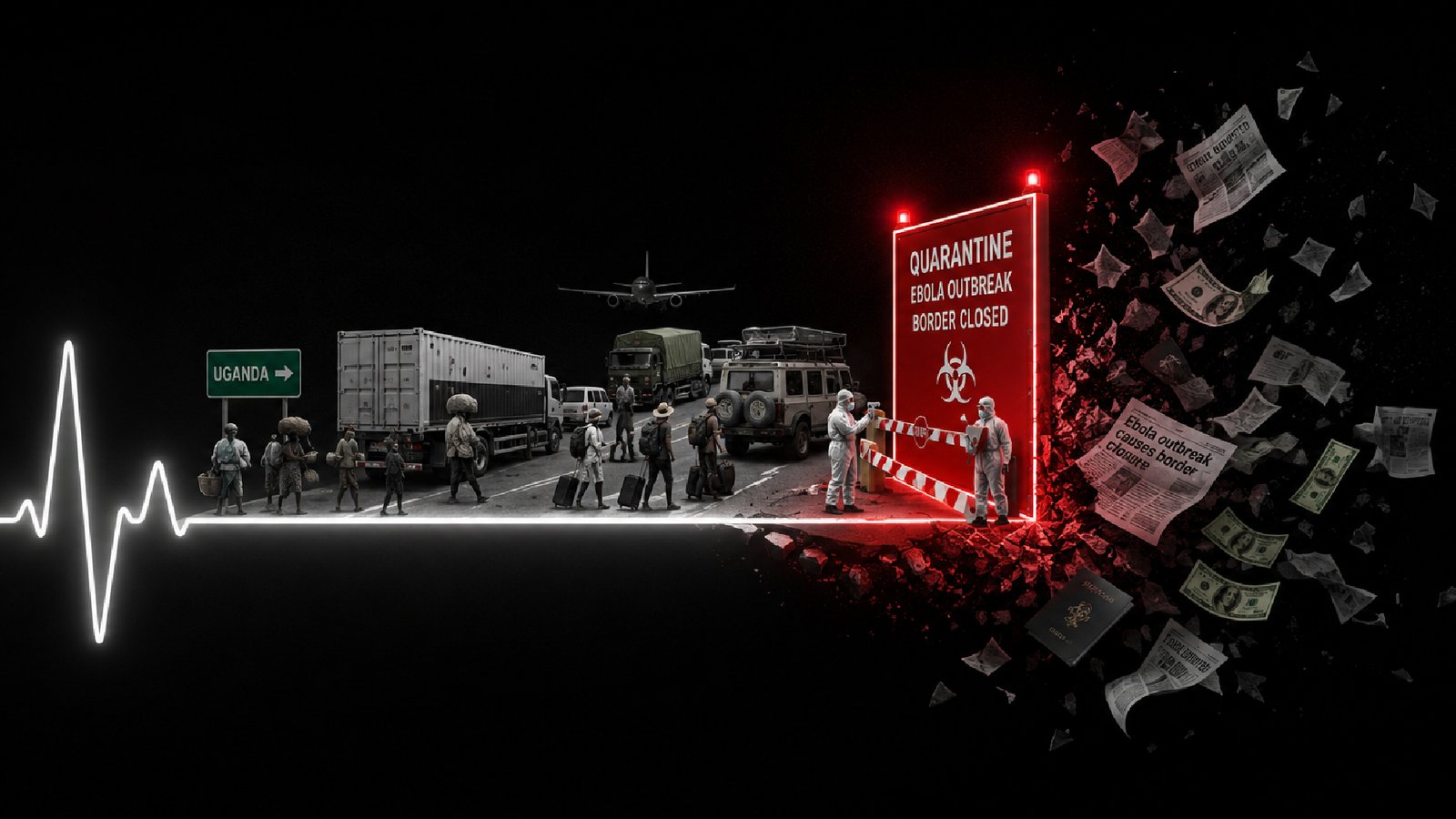
In a landmark decision that underscores the gravity of the unfolding public health emergency, the Government of Uganda has announced the immediate and temporary closure of its border with the Democratic Republic of Congo (DRC). The resolution, agreed upon by the National Task Force on Ebola Response chaired by His Excellency the Vice President of Uganda, was announced on 27 May 2026 through an official press statement signed by the Permanent Secretary of the Ministry of Health, Dr. Diana Atwine. The closure comes amid a rapidly expanding Ebola Virus Disease (EVD) outbreak caused by the Bundibugyo strain; a deadly and relatively rare species of the Ebola family for which no licensed vaccine or specific therapeutic currently exists.
As of the date of this statement, Uganda has confirmed seven cases of EVD and one death, with all confirmed cases concentrated in Kampala, the nation’s capital and primary commercial hub. While no new cases have been recorded since 25 May 2026, the National Task Force determined that the escalating trajectory of the outbreak in the DRC, combined with the porous nature of cross-border movements, posed an unacceptable risk of further viral importation into Uganda. The border closure, with targeted exceptions for humanitarian, cargo, food, and essential security operations, is therefore framed as a protective measure in the interest of both Ugandan citizens and the broader region.
“Uganda has not recorded any new confirmed case of EVD since Monday 25th May 2026. However, the total number of contacts to the confirmed cases have increased. Most of these contacts are health workers.” — Dr. Diana Atwine, Permanent Secretary, Ministry of Health, 27 May 2026
The 2026 Ebola outbreak in Uganda did not emerge in isolation. It is the direct consequence of a cross-border spillover from a major outbreak that began in the DRC’s Ituri Province — a region characterized by active conflict, significant population displacement, and frequent movement of people and goods across Uganda’s western frontier. Understanding the timeline of events as reported by the Uganda Ministry of Health reveals a crisis that escalated with alarming speed.
On 15 May 2026, the Uganda Ministry of Health formally confirmed the country’s outbreak of Bundibugyo Virus Disease (BVD) following the identification of one imported case from the DRC. The index case was an elderly Congolese man who had been admitted to a private hospital in Kampala. He had travelled from DRC while already symptomatic, unaware or unable to access means to be tested or isolated before crossing the border. The Ministry’s announcement came on the same day that the DRC officially declared its own outbreak, marking the 17th Ebola outbreak ever recorded in that country.
First local transmissions was confirmed on 16 May 2026, Within twenty-four hours of the index case confirmation, Ugandan health authorities identified the first domestically-acquired infections. A driver and a health worker, both of whom had been in contact with the Congolese patient before his death on 11 May, tested positive for BVD. Two additional health workers at the same private hospital in Kampala subsequently also tested positive, raising immediate alarm about nosocomial (hospital-acquired) transmission and the adequacy of infection prevention measures at the facility.
Responding swiftly to the operational vacuum created by a fast-moving outbreak, the Ministry of Health published its official Ebola Standard Operating Procedures (SOPs) for May 2026. These guidelines, made publicly available for download from the Ministry’s website, established protocols for healthcare workers, port health officials, community surveillance teams, and district authorities. The publication of the SOPs signalled a shift from reactive containment to structured, systemic response.
On 23 May, the Ministry of Health announced three additional confirmed BVD cases, bringing Uganda’s total to five confirmed cases and one confirmed death. All five cases were residents of or visitors to Kampala, each with clear and traceable epidemiological links to the DRC. The significance of this cluster in Kampala, the busiest commercial and transport centres with major international air connections was not lost on public health officials.
On the same day, Uganda hosted a high-level cross-border Ministerial Meeting on the EVD Outbreak at Munyonyo, held under the theme “Regional Solidarity, Preparedness and Coordinated Response,” with support from the Africa Centres for Disease Control and Prevention (Africa CDC). The Director General of Africa CDC, Dr. Jean Kaseya, praised President Yoweri Kaguta Museveni’s swift convening of the National Task Force, stating: “This is what I call leadership.”
Today, on the 27th May 2026, In its most consequential intervention to date, the Government of Uganda, through the National Task Force chaired by the Vice President, announced the immediate temporary closure of the Uganda-DRC border. By this date, Uganda’s total confirmed case count had reached seven, with one death. Five of the seven cases maintained clear epidemiological links to the original two imported cases. The Ministry confirmed that no new case had been recorded since 25 May, a fragile but cautiously hopeful sign that the immediate chain of transmission was being controlled.
The formal press statement issued by Permanent Secretary Dr. Diana Atwine on 27 May 2026 laid out six specific resolutions agreed upon by the National Task Force. Together, these resolutions constitute the most comprehensive border and public health enforcement package Uganda has implemented in the context of Ebola since the 2022 Sudan ebolavirus outbreak. Each resolution carries distinct implications for movement, trade, education, media, and governance along the affected frontier.
The first and most sweeping resolution declared Uganda’s border with DRC temporarily closed with immediate effect. The only permitted exceptions are for authorised Ebola response teams, humanitarian operations, food and cargo transportation, and security personnel, all of whom must undergo strict health screening and continuous monitoring at all designated ports of entry.
The Immigration Authority was specifically directed to enforce this framework, requiring all authorised entrants to complete locator forms and submit to documentation procedures in accordance with Ministry of Health surveillance protocols. This measure effectively converts Uganda’s border crossings with DRC into health checkpoints operating under emergency conditions.
Any person returning to Uganda from DRC is required to undergo mandatory self-isolation for twenty-one days under the supervision of the Ministry of Health and district surveillance teams; a period corresponding to the maximum incubation period for Ebola. Schools in border districts are permitted to remain open but must strictly observe all Ministry of Health SOPs. School authorities are required to identify students recently returned from DRC and monitor their temperature daily for twenty-one days, with designated health facilities in each border district tasked with accommodating any learner who develops symptoms.
Resident District Commissioners and Resident City Commissioners along the border have been instructed to enforce all Ebola prevention and control guidelines, while all media houses are mandated to dedicate a minimum of thirty minutes of prime-time programming daily to public education on Ebola prevention, detection, and reporting. The public has been directed to report suspected cases through the Ministry’s toll-free line: 0800-100-066.
“The Government of Uganda reaffirms its commitment to sustained collaboration with the Government of the Democratic Republic of Congo… both countries agreed to strengthen cross-border collaboration, enhance joint surveillance mechanisms, and coordinate response efforts to effectively prevent and control the spread of Ebola across our shared border.” — Ministry of Health Press Statement, 27 May 2026
The Uganda-DRC border is not merely a political boundary, it is one of the most economically vital corridors in the Great Lakes region. Communities on both sides depend on daily cross-border trade for food security, income, and access to essential goods. Formal and informal trade flows through crossings such as Mpondwe-Kasindi, Ishasha, and Bunagana represent billions of shillings annually and are deeply interwoven into the livelihoods of communities in western and south-western Uganda.
The border closure, even with its carved exceptions for food and cargo transportation, is expected to generate significant short-term economic disruption. Informal cross-border traders; the majority of whom are women typically carry small volumes of agricultural produce, manufactured goods, and household commodities across on a daily basis. These individuals do not operate through formal cargo channels and are unlikely to qualify as “authorised” operators under the current emergency framework. For these traders, the closure is effectively total.
Formal importers and exporters face a different but equally challenging set of conditions. While cargo trucks are technically permitted to cross, the requirement for strict health screening, documentation, and the completion of locator forms at every port of entry introduces delays, additional costs, and logistical uncertainty. Supply chains connecting DRC’s mineral-rich eastern provinces to Ugandan processors and exporters including gold, coltan, timber, and agricultural commodities are at risk of disruption. Ugandan exporters who rely on DRC as a transit route or as a destination market for manufactured goods, construction materials, and fast-moving consumer goods face similar constraints.
The suspension of public transportation and flights between DRC and Uganda, reported alongside the border closure measures, further compounds the commercial impact. Business travellers, professional service providers, and financial intermediaries who operate across both markets find themselves effectively grounded. Banking and remittance services that facilitate cross-border financial flows are also likely to experience reduced volumes during the closure period.
The medium-term outlook for trade will depend largely on the speed with which the DRC outbreak is brought under control and the extent to which the humanitarian and cargo exceptions are operationalised in a manner that minimises bottlenecks. The Ministry of Health’s bilateral engagement with DRC affirmed in the 27 May press statement offers some grounds for optimism that coordinated response measures could accelerate the pathway to a controlled situation and a graduated reopening.
Uganda’s tourism sector, which had been on a sustained recovery trajectory following the disruptions of the COVID-19 pandemic and the 2022 Sudan Ebola outbreak, now faces renewed headwinds. The country’s flagship attractions like gorilla trekking in Bwindi Impenetrable Forest, chimpanzee tracking in Kibale, and wildlife safaris in Queen Elizabeth and Murchison Falls National Parks draw visitors from across the globe and generate significant foreign exchange. Many of these destinations lie in or near Uganda’s western districts, which border the DRC.
The CDC’s issuance of a Level 1 Travel Health Notice for Uganda on 15 May 2026; a designation that advises travellers to practise enhanced health precautions has already begun to dampen international booking interest. Tour operators and lodge owners in western Uganda have reported cancellations and inquiries from anxious visitors seeking refunds or deferrals. While the Ebola cases are confined to Kampala and have no direct nexus to the primary tourism zones, the perception of risk in an Ebola-affected country is historically difficult to localise in the minds of international tourists.
The hospitality sector in Kampala itself faces a more immediate challenge. The presence of confirmed cases in the capital, including among health workers at a private hospital, has rattled confidence in urban travel. Hotels, conference facilities, and the MICE (Meetings, Incentives, Conferences, and Exhibitions) sector are particularly vulnerable to cancellations of regional business gatherings. Kampala serves as a hub for corporate activity, and any perception that the city is unsafe for in-person meetings has ripple effects across the wider hospitality and services economy.
The cross-border tourism dimension is equally significant. A portion of gorilla-trekking tourists visit both Uganda and DRC’s Virunga National Park in a single itinerary, and the border closure effectively severs this combined circuit. Similarly, tourists transiting through DRC to access Uganda’s western parks are now unable to do so through established overland routes.
The Uganda Tourism Board and the Ministry of Tourism, Wildlife and Antiquities have not yet issued a formal public statement at the time of writing. However, the situation calls for urgent communication strategies to reassure international markets that Uganda’s wildlife sanctuaries remain accessible, safe, and operationally active, and that the government’s containment measures are working. Experience from past Ebola outbreaks in Uganda; notably the 2022 Sudan outbreak, which was declared over within 87 days suggests that swift, transparent communication and effective containment are the most powerful tools for limiting long-term tourism damage.
Health
Doomscrolling Should Be Considered a Mental Disorder: Lessons from Uganda’s 2026 Elections
In the lead-up to and aftermath of Uganda’s January 15, 2026, general elections, social media platforms like X (formerly Twitter), Facebook, TikTok, and others turned into battlegrounds of intense negativity. Phrases such as “Protect the gains,” “Uganda is Bleeding,” “New Uganda,” and dire warnings of impending collapse dominated feeds.


In the lead-up to and aftermath of Uganda’s January 15, 2026, general elections, social media platforms like X (formerly Twitter), Facebook, TikTok, and others turned into battlegrounds of intense negativity. Phrases such as “Protect the gains,” “Uganda is Bleeding,” “New Uganda,” and dire warnings of impending collapse dominated feeds. Videos showed opposition leaders like Robert Kyagulanyi (Bobi Wine) confronting police, claims of uncontrollable bloodshed, election malpractices, and predictions that the country stood on the brink unless specific leaders took power. Allegedly paid activists, bots, and fervent supporters from both opposition and ruling party sides amplified these narratives, pushing endless streams of alarming content. Scrolling through it all became addictive; each refresh delivered more outrage, fear, or confirmation of bias leaving many Ugandans angry, exhausted, and emotionally drained.
If you found yourself wrapped up in this cycle, reacting impulsively with heated comments, staying up late to “stay informed,” or feeling constant tension regardless of your political side, you were likely doomscrolling. This behavior, far from harmless, exhibits the traits of a compulsive disorder and should be recognized as a form of mental illness.
Doomscrolling is the compulsive habit of endlessly scrolling through feeds saturated with crises, disasters, political outrage, violence, and apocalyptic predictions. What starts as a genuine effort to follow important events spirals into hours of consumption that heightens anxiety, hopelessness, and fatigue. In Uganda’s recent electoral context, the algorithmic push toward emotionally charged content like videos of confrontations, inflammatory claims, and polarized debates made it especially potent. Platforms reward high-engagement negativity, so feeds flooded with stories of “bloodshed,” rigged processes, or national collapse kept users hooked.
The compulsion is evident in the loss of control many experience. People know the content is harmful yet promise themselves “just one more post” before continuing far longer. This mirrors addiction patterns: each alarming update triggers a dopamine hit from novelty or perceived threat awareness, an ancient survival instinct distorted by infinite digital feeds. Tolerance develops quickly, more extreme content is needed for the same “informed” feeling while stopping brings restlessness or fear of missing critical updates.
Psychological research from recent years, including studies in journals like Computers in Human Behavior, links doomscrolling to serious mental health impacts stating that “Media and media content overload can serve as a conduit for mental health problems, such as anxiety and depression”. “The media facilitates accessibility to specific thoughts and triggers relevant reactions. For example, exposure to violent media has been shown to implant aggressive thoughts and increase antagonism”.
It heightens psychological distress through poor emotional regulation and problematic social media use. In adults and youth alike, prolonged exposure predicts rises in anxiety, depression, chronic stress, and existential despair; feelings of meaninglessness, deep distrust in others (including fellow citizens), and a bleak worldview. During Uganda’s election period, this manifested as constant anger, sleep disruption from late-night scrolling, elevated cortisol levels, and physical effects like fatigue or high blood pressure. For those with preexisting vulnerabilities, the habit created vicious cycles: negative posts reinforced biased perceptions, fueling more scrolling and deeper emotional lows.
Experts increasingly frame doomscrolling in addiction-like terms, driven by platform designs such as infinite scrolling, notifications, and algorithms that amplify outrage for engagement. It shares mechanisms with conditions like the compulsive Internet Gaming Disorder (IGD-11) noted in the Diagnostic and Statistical Manual of Mental Disorders (DSM-5) and broader problematic social media use. While not yet a standalone diagnosis in manuals like the DSM-5 or ICD-11, severity scales now quantify it as a rigid, harmful behavioral cluster. In politically charged environments like Uganda’s 2026 polls marked by internet blackouts, arrests of unruly opposition radicals, and polarized discourse; the risks intensify, turning information-seeking into a self-perpetuating source of suffering.
The argument for classifying it as mental illness is clear: when a behavior is compulsive, dopamine-driven, resistant to simple willpower, and consistently linked to psychiatric worsening including exacerbated depression, generalized anxiety, insomnia, reduced life satisfaction, and even physical health decline, it enters pathological territory. Dismissing it as “just keeping up with politics” ignores the toll on millions, especially in high-stakes contexts where social media becomes the primary source of news amid restrictions.
Formal recognition would enable better responses. Mental health professionals could screen for doomscrolling in clients showing anxiety, low mood, or sleep issues, using cognitive-behavioral techniques to break reward loops, build uncertainty tolerance, and foster healthier habits. Public campaigns in Uganda and beyond could highlight it alongside other compulsions, urging balanced consumption. Platforms might add tools like scroll limits or negativity filters which is very highly unlikely, though history shows governments sometimes restrict access instead. Individually, enforce device curfews, designate no-news periods, curate positive or neutral follows, and practice mindfulness to sit with uncertainty rather than chase endless updates.
Doomscrolling during Uganda’s 2026 elections was not mere curiosity, it was a digital trap eroding mental well-being amid real political tensions. Viewing it as a form of mental illness is not alarmist; it is a vital acknowledgment that helps us reclaim agency in an era engineered to keep us scrolling through the shadows. By naming the problem, we take the first step toward healthier engagement with our shared reality.
Health
Uganda’s 2025 Ebola-Free Victory, Resilience and Global Prevention Lessons
Uganda was officially declared Ebola-free, marking the end of its sixth Ebola outbreak in just under three months.
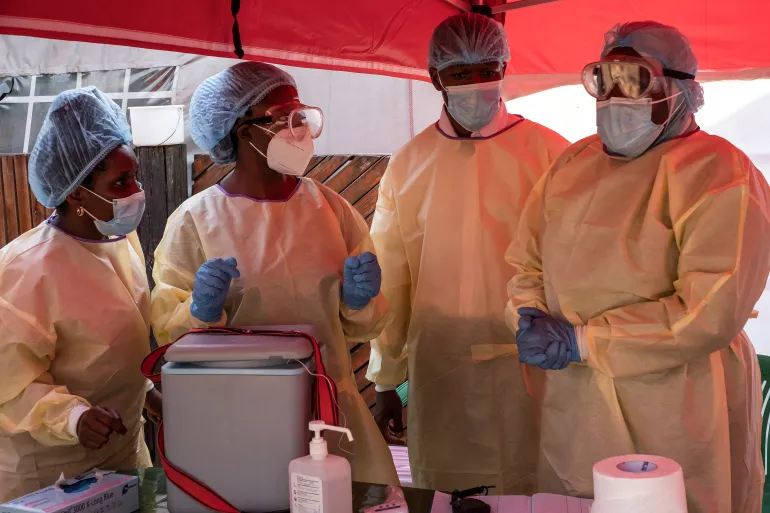
Uganda was officially declared Ebola-free, marking the end of its sixth Ebola outbreak in just under three months. The outbreak, caused by the Sudan strain of the Ebola virus, began on January 29, 2025, in Kampala and affected five districts, resulting in 14 confirmed cases and four deaths. Uganda’s swift containment of this urban outbreak, despite challenges such as international aid cuts and the absence of approved vaccines, demonstrates a robust public health response and offers critical lessons for global Ebola prevention.
The outbreak was declared on January 29-30, 2025, after a 32-year-old male nurse died at Mulago National Referral Hospital in Kampala. The virus was confirmed as Sudan Ebola Virus Disease (SUDV) by three national laboratories and was genetically linked to a 2012 outbreak in Luwero, Uganda. Unlike the Zaire strain, which has an approved vaccine, the Sudan strain lacks licensed countermeasures, making containment reliant on public health measures and experimental trials. The outbreak spread to five districts being Kampala, Wakiso, Jinja, Mbale, and one other, posing a significant threat due to Kampala’s dense population of over 4 million. By February 7, 2025, new cases ceased, and the last patient was discharged on March 14, initiating a 42-day countdown. On April 26-28, 2025, Uganda’s Ministry of Health announced the end of the outbreak, a testament to the country’s experience with five prior Ebola outbreaks since 2000.
Uganda’s ability to contain the 2025 outbreak in under three months, its shortest Ebola response to date, was driven by a multi-faceted strategy:
Rapid Detection and Genomic Sequencing
Within 24 hours of the index case’s death, Uganda’s Central Public Health Laboratories confirmed the Sudan strain, and African scientists set a “world speed record” by sequencing the virus, tracing its origins back to the 2012 outbreak. This rapid diagnostic and genomic capability enabled an immediate outbreak declaration on January 30, 2025, activating emergency protocols.
Aggressive Contact Tracing and Quarantine
The Ministry of Health identified 265 contacts of the index case, placing them under strict 21-day quarantine in Kampala, Jinja, and Mbale. Mobile health teams and district task forces monitored contacts daily, preventing further spread. A surveillance gap, exposed when a four-year-old boy died undiagnosed on February 25, was swiftly addressed by intensifying tracing, adding two districts to the response. By February 27, most contacts had completed their quarantine.
Experimental Vaccine Trial
On February 3, 2025, Uganda launched a randomized clinical trial for a candidate SUDV vaccine at Mulago Hospital, using a ring vaccination approach to immunize contacts and contacts-of-contacts. Supported by the International AIDS Vaccine Initiative and WHO, the trial drew on lessons from the 2022 outbreak, demonstrating Uganda’s ability to integrate research into crisis response.
Isolation and Treatment
Confirmed cases were isolated at Mulago Hospital, with suspected cases triaged in temporary units. Supportive care, including rehydration and symptom management, was critical, as no approved SUDV treatments exist. Eight patients were discharged by February 19, and the last patient on March 14, with safe burial practices preventing transmission from the four deaths (two confirmed and two probable).
Public Health Measures
Uganda implemented point-of-entry and exit screenings at airports and borders, which were crucial given Kampala’s role as a transport hub. Community awareness campaigns via radio and local leaders educated the public on Ebola symptoms and prevention, countering misinformation. Healthcare workers used personal protective equipment (PPE), though supply shortages resulting from U.S. aid cuts were mitigated by WHO and local resources.
International and Local Collaboration
Local expertise was evident in Uganda’s laboratories and the Uganda Virus Research Institute, which supported diagnostics and trials. Internationally, the U.S. provided $8 million via the CDC and USAID, despite aid cuts that canceled four contracts, impacting screenings and PPE supplies. The WHO contributed $2 million and technical expertise, while the UN appealed for $11.2 million to support seven high-risk districts. Uganda shared genomic data regionally, aiding preparedness amid Marburg outbreaks in Tanzania and Rwanda.
Urban Setting: Kampala’s high population density risked rapid spread, but targeted interventions in five districts prevented a wider epidemic.
Aid Cuts: The Trump administration’s freeze on USAID funding strained surveillance and PPE supplies, but local and WHO support helped offset this shortfall.
Surveillance Gaps: The delayed diagnosis of a child emphasized the need for improved surveillance, which was quickly addressed through intensified efforts.
By overcoming these challenges, Uganda showcased resilience and innovation in its public health response, setting an example for global health efforts against Ebola and similar infectious diseases.


What Uganda’s Maize Story Tells Us About Future Opportunities

Uganda Launches Evacuation of Nationals from South Africa Amid Rising Xenophobic Violence

Otto von Bismarck, The Marketing Genius Who Built an Empire and Hastened His Own Downfall


-

 Entertainment2 years ago
Museveni’s 2025 Copyright for Musicians breakdown
-

 Sports1 year ago
The Transformative Impact of World Cup Qualification for Uganda
-

 Business2 years ago
The 9 worst mistakes you can ever make at work
-

 Policies2 years ago
Breakdown of the Uganda Police Force Annual Crime Report 2024
-
 Business2 years ago
Uganda’s Ministry of Finance projects significant growth opportunities in 2025
-

 Entertainment2 years ago
Uganda Cracksdown On Vulgar Music Content | Gloria Bugie, Shakira Shakira, targeted
-

 Policies2 years ago
Is Uganda’s Shs10m Fine the WORST Thing for Cohabiting Couples?
-

 Health2 years ago
Breaking down the Malaria Vaccine Rollout in Uganda